


What's Happening?
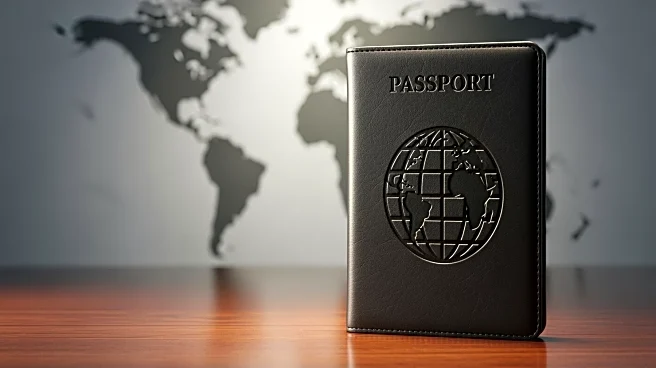
The Henley Passport Index for 2026 has been released, revealing that the United States has dropped to the 10th position, with visa-free access to 179 destinations. This marks a decline from previous years, as the U.S. lost visa-free access to seven destinations in the past
year. The index ranks passports based on the number of destinations their holders can access without a prior visa. Singapore holds the top spot, with Japan and South Korea tied for second. The report highlights the UAE's significant rise in rankings due to diplomatic efforts and visa liberalization.
Why It's Important?
The decline in the U.S. passport's ranking reflects broader geopolitical shifts and challenges in international relations. As mobility rights become more restricted, it may impact U.S. citizens' travel convenience and international business opportunities. The report suggests that passport power is linked to political stability and diplomatic credibility, indicating potential areas of concern for U.S. foreign policy. The changes in passport rankings could influence travel industry dynamics, affecting tourism and international business travel.
What's Next?
The U.S. may need to address the factors contributing to its declining passport power, potentially through diplomatic efforts to restore or enhance visa-free agreements. The travel industry might also need to adapt to changing mobility patterns, with potential implications for tourism and international business. Monitoring future updates to the Henley Passport Index will provide insights into how geopolitical developments continue to affect global mobility.