
What's Happening?
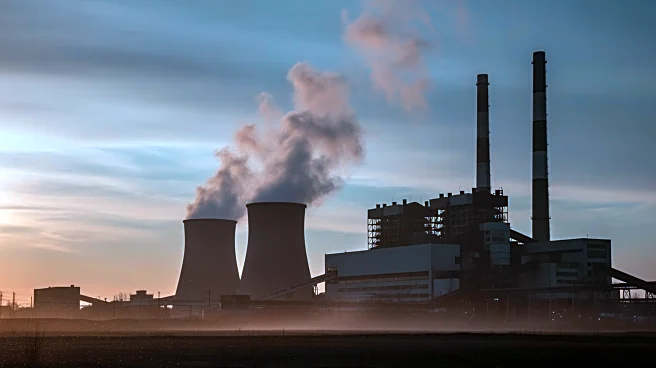
The Trump Administration's Environmental Protection Agency (EPA) has approved two regional haze pollution plans from Texas, which do not require any pollution reductions from coal-burning power plants.
This decision reverses a federal rule from the Obama Administration that mandated pollution control upgrades at 15 of Texas's dirtiest coal units. The Texas Commission on Environmental Quality's plans, now approved by the EPA, allow major polluters like NRG and Luminant to continue operations without additional controls. The decision has been criticized for ignoring public health concerns and the Clean Air Act's requirements to reduce haze pollution, which affects visibility and health in natural spaces.
Why It's Important?
The EPA's approval of Texas's haze plans has significant environmental and public health implications. By allowing coal plants to operate without stricter pollution controls, the decision could lead to increased emissions of harmful pollutants, affecting air quality and public health. This move benefits wealthy utility companies while potentially exacerbating health issues for residents, particularly those living near affected areas. The decision reflects a broader trend under the Trump administration to roll back environmental regulations, prioritizing economic interests over environmental protection. This could have long-term consequences for air quality standards and regulatory practices across the U.S.
What's Next?
The decision may face legal challenges from environmental groups and public health advocates who argue that it violates the Clean Air Act. The Sierra Club and other organizations have already expressed opposition, highlighting the need for stricter pollution controls to protect public health and the environment. The EPA's approach to regional haze regulations could influence future policy decisions and regulatory frameworks, potentially prompting further debate and scrutiny from stakeholders. The administration's stance on environmental regulations may continue to shape U.S. policy, impacting both domestic and international environmental commitments.