
What's Happening?
A recent study published in the Proceedings of the National Academy of Sciences has found that the severe snow drought experienced in the Western U.S. last winter was significantly influenced by human-caused
climate change. The study, led by Adrienne Marshall from the Colorado School of Mines, used attribution science to determine that warmer temperatures led to more precipitation falling as rain rather than snow, and earlier snowmelt. The research indicates that such low snow conditions were 4.4 times more likely in the current climate compared to the pre-industrial era, with the Upper Colorado River Basin experiencing a 14-fold increase in likelihood.
Why It's Important?
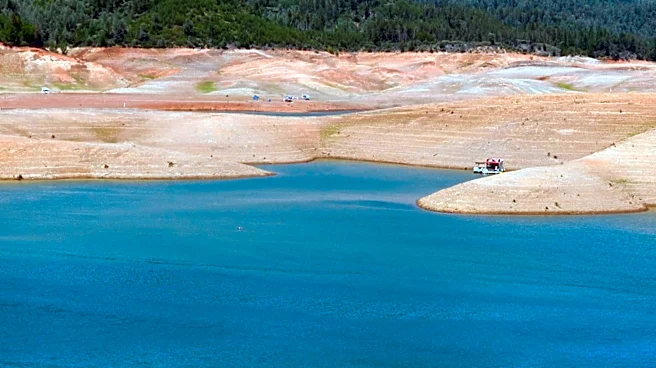
The findings highlight the broader implications of climate change on water resources in the Western U.S., where snowpack serves as a critical water source. The reduction in snowpack, comparable to the capacity of Lake Mead, poses significant challenges for water management and supply in the region. This study underscores the urgency of addressing climate change to mitigate its impact on essential natural resources. It also emphasizes the need for adaptive strategies in water resource management to cope with increasingly frequent snow droughts.
What's Next?
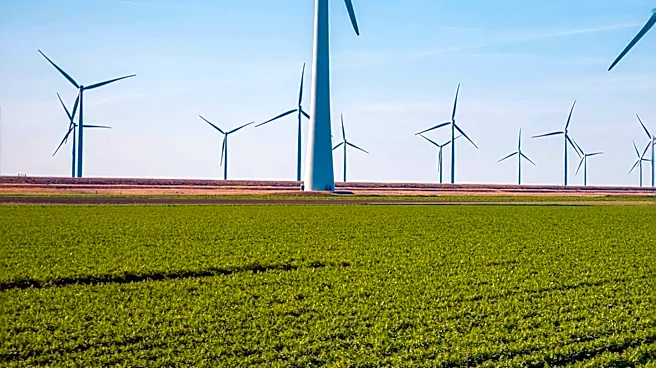
The study projects that if greenhouse gas emissions continue at current levels, snow droughts could become a regular occurrence by mid-century, happening as often as once every three years. By the 2090s, such conditions could prevail in 87% of years. This scenario calls for immediate action to reduce emissions and implement sustainable water management practices. Policymakers and environmental groups may use these findings to advocate for stronger climate policies and investments in renewable energy to curb future warming.