







What's Happening?
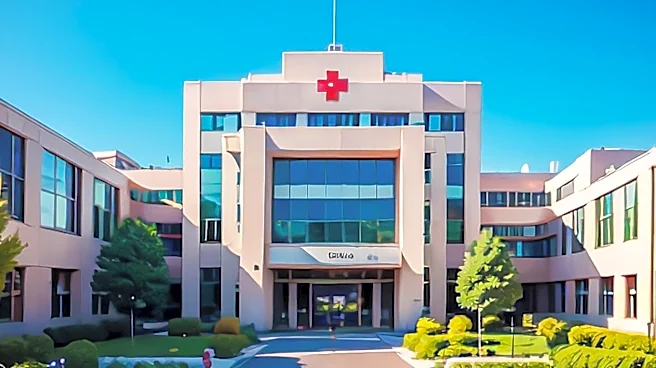
The Arkansas College of Osteopathic Medicine (ARCOM) recently conducted its 10th annual white coat ceremony in Fort Smith, Arkansas. The event, held at the ArcBest Performing Arts Center, welcomed 176 new student doctors of osteopathic medicine, who are
set to graduate in 2030. Additionally, 44 students from the Arkansas Colleges of Health Education (ACHE) School of Physical Therapy, slated to finish their studies in 2029, also participated. This ceremony symbolizes the official start of their medical and physical therapy education, emphasizing the responsibilities and commitment inherent in patient care. Since its inception in 2017, approximately 1,600 ARCOM student doctors and 290 physical therapy students have taken part in this significant tradition. Dr. Christopher Loyke, dean of ARCOM, highlighted that the white coat represents a tradition of compassion, integrity, and humility in serving patients and communities. Similarly, Dana Kahl, dean of the School of Physical Therapy, underscored the importance of the white coat as a reminder of the trust placed in future physical therapists.
Why It's Important?
This annual ceremony is crucial for the U.S. healthcare landscape, particularly in Arkansas and surrounding regions, as it marks the beginning of training for future medical professionals. The Arkansas Colleges of Health Education (ACHE), established with funds from the sale of Sparks Health System, plays a vital role in addressing the demand for healthcare providers. By training osteopathic doctors and physical therapists, ARCOM and ACHE contribute directly to increasing the number of qualified practitioners who will serve communities across Arkansas and the nation. This influx of healthcare professionals is essential for improving patient access to care, especially in underserved areas. The emphasis on compassion, integrity, and humility instilled during the ceremony helps shape healthcare providers who are not only clinically skilled but also ethically grounded, which is paramount for public trust and quality patient outcomes. The continued growth of these programs signifies a sustained effort to bolster the healthcare workforce and meet evolving public health needs.
What's Next?
Following the white coat ceremony, the student doctors and physical therapy students will embark on rigorous academic and clinical training programs. The osteopathic medical students will progress through their curriculum, ultimately completing medical school and entering residency programs across the country. The physical therapy students will continue their education, focusing on patient care responsibilities and preparing for their graduation in 2029. ACHE also plans to launch a physician associate program in 2028, further expanding its educational offerings and contributing to the healthcare workforce. The ongoing development of these programs suggests a continuous effort to produce skilled healthcare professionals, which will likely lead to an increased availability of medical and rehabilitative services in Arkansas and beyond. The success of these students in their future careers will directly impact the health and well-being of numerous communities.
Beyond the Headlines
The white coat ceremony, while a symbolic rite of passage, carries deeper implications for the professional identity and ethical framework of future healthcare providers. It signifies a commitment to a profession that demands not only scientific knowledge but also profound empathy and a dedication to service. In an era where healthcare systems face increasing pressures, fostering these foundational values from the outset of medical education is critical. The ceremony helps to solidify the students' understanding of their role as trusted caregivers and community members. Furthermore, the establishment and growth of institutions like ARCOM and ACHE, particularly in regions like Fort Smith, highlight a broader trend of decentralized medical education aimed at addressing regional healthcare disparities. This localized approach to training can lead to a stronger connection between graduates and the communities they serve, potentially encouraging them to practice in areas with the greatest need, thereby strengthening local healthcare infrastructures.