






What's Happening?
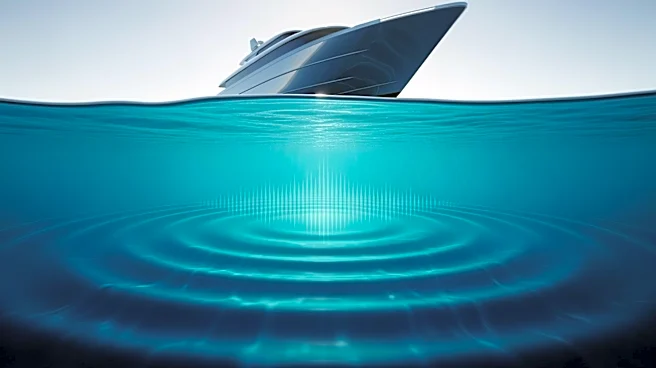
The Marine Environment Protection Committee (MEPC) 84 has approved a technical guidance circular aimed at co-optimizing propulsion equipment for energy efficiency and reducing underwater radiated noise during the design and retrofit stages of ships. This
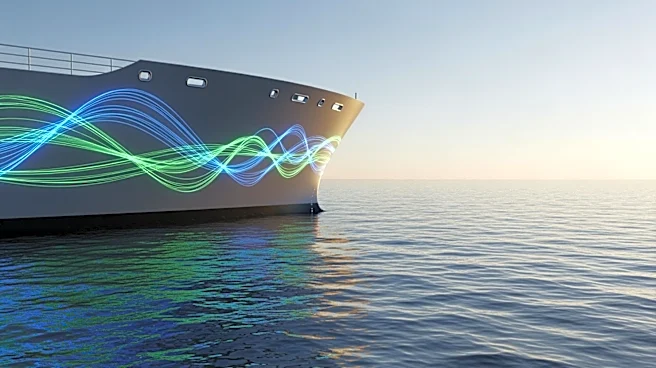
guidance seeks to clarify the trade-offs between noise mitigation and conventional propeller design, promoting the co-benefits of quiet ship technologies alongside energy performance improvements. Case studies presented at a prior workshop demonstrated that retrofits, such as propeller upgrades, appendage modifications, and air lubrication systems, can achieve noise reductions of 2-10 dB while also enhancing energy efficiency. The guidance emphasizes the need for precise definition of ship operating profiles and speed ranges, moving beyond generic approaches to tailor strategies to specific operational conditions.
Why It's Important?
The approval of this guidance by MEPC 84 is significant as it addresses the dual challenge of reducing underwater radiated noise and improving energy efficiency in maritime operations. Underwater noise pollution can have detrimental effects on marine life, disrupting communication and navigation for species such as whales and dolphins. By promoting technologies that reduce noise, the guidance supports environmental conservation efforts. Additionally, improving energy efficiency aligns with global efforts to reduce carbon emissions and fuel consumption in the shipping industry, contributing to sustainability goals. The adoption of these strategies can lead to operational cost savings for shipping companies, enhancing competitiveness in a market increasingly focused on environmental responsibility.
What's Next?
The maritime industry is expected to continue developing and implementing technologies that align with the MEPC 84 guidance. Shipping companies may invest in retrofitting existing vessels with noise-reducing and energy-efficient technologies, while new ship designs may incorporate these principles from the outset. Regulatory bodies might consider further measures to incentivize compliance with the guidance, potentially leading to new standards or certifications for quiet and efficient ships. Stakeholders, including environmental groups and industry leaders, will likely monitor the impact of these changes on marine ecosystems and shipping operations.
Beyond the Headlines
The guidance from MEPC 84 could trigger broader shifts in the maritime industry, encouraging innovation in ship design and propulsion technologies. As companies adopt these practices, there may be increased collaboration between environmental scientists and engineers to refine noise reduction methods. The focus on underwater noise also highlights the growing awareness of the ocean's acoustic environment, potentially leading to new research and policy initiatives aimed at protecting marine life. Long-term, these developments could influence public perception of the shipping industry, positioning it as a leader in sustainable practices.