
What's Happening?
The United States has reversed its stance and granted India a temporary waiver to purchase Russian oil. This decision comes as global oil supplies are strained due to the ongoing conflict in the Middle East. U.S. Treasury Secretary Scott Bessent announced
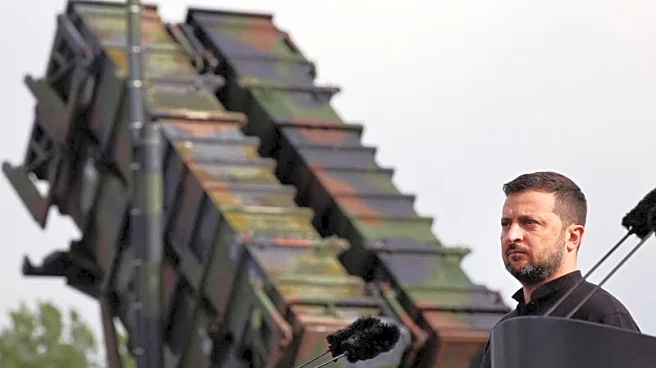
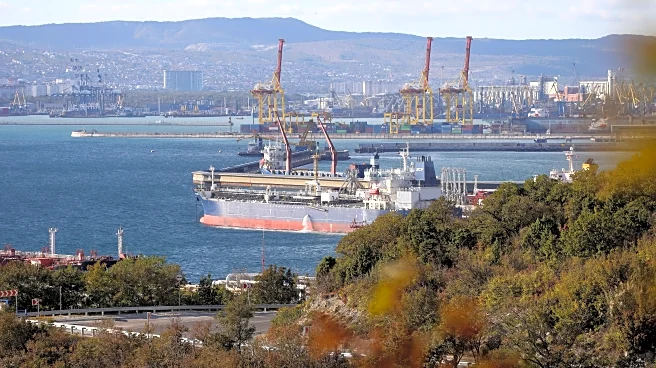
the waiver, which is set for 30 days, allowing Indian refiners to buy Russian oil that is currently stranded at sea. The measure is intended to keep oil flowing into the global market without significantly benefiting the Russian government financially. This development follows months of U.S. pressure on India to reduce its purchases of Russian oil, a key revenue source for Moscow's military efforts in Ukraine. Despite the pressure, India had become one of the largest buyers of Russian oil following Russia's invasion of Ukraine in 2022.
Why It's Important?
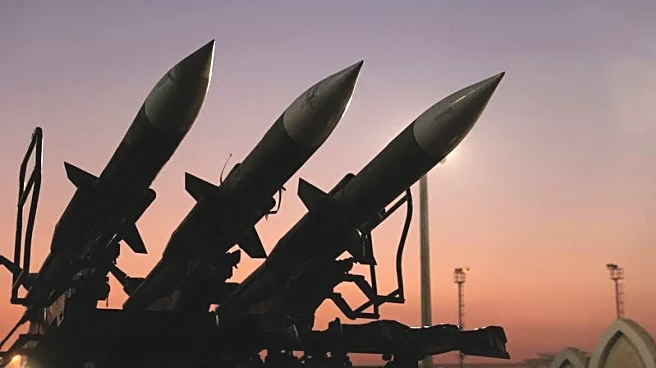
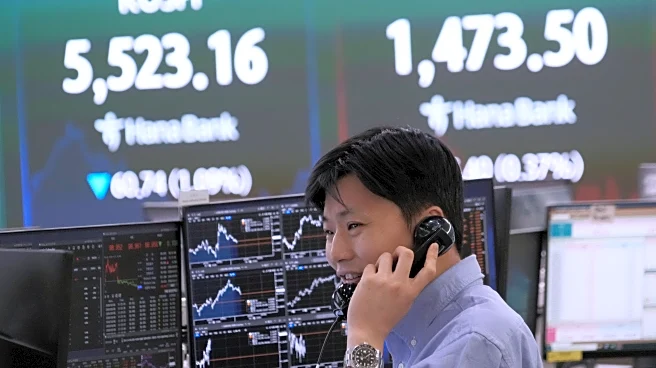
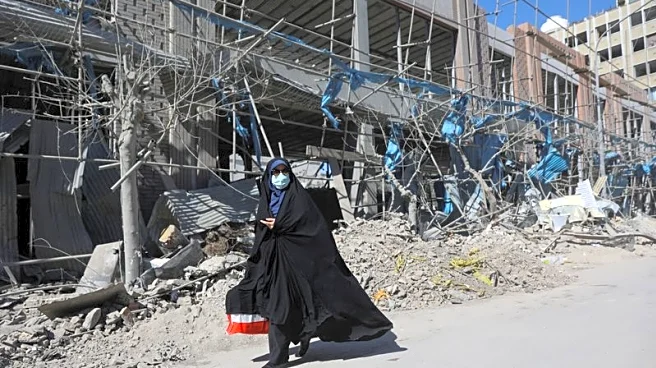
The temporary waiver highlights the complex geopolitical landscape and the balancing act the U.S. must perform in its foreign policy. By allowing India to purchase Russian oil, the U.S. aims to stabilize global oil markets affected by the Middle East conflict, particularly the U.S.-Israeli war in Iran. This decision underscores India's strategic importance as a U.S. partner and its role in global energy markets. However, it also raises questions about the effectiveness of sanctions on Russia and the potential for unintended consequences in international relations. The waiver could alleviate immediate energy shortages but may also complicate U.S. efforts to isolate Russia economically.
What's Next?
The temporary nature of the waiver suggests that the U.S. will closely monitor the situation and reassess its position after 30 days. The U.S. expects India to increase its purchases of American oil, which could influence future diplomatic and economic negotiations. Additionally, the waiver may prompt reactions from other countries involved in the conflict or those affected by the global oil supply chain. The situation remains fluid, and further developments in the Middle East could impact the U.S.'s strategic decisions regarding energy and foreign policy.