





What's Happening?
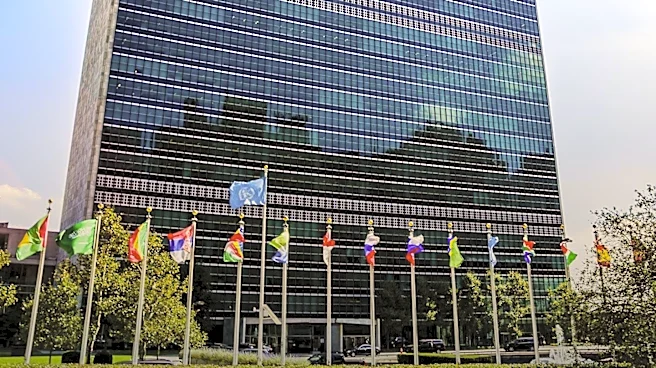
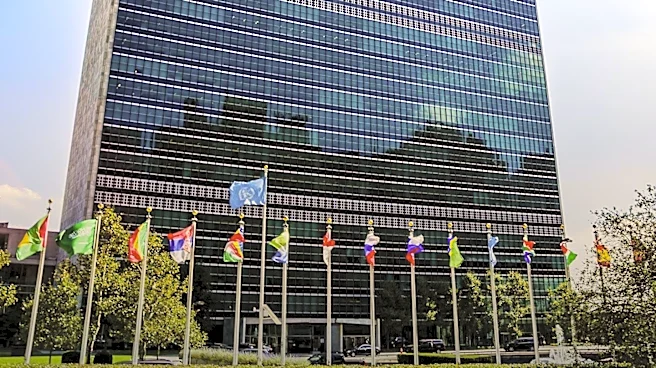
The United Nations has called for an urgent, independent, and thorough investigation into the death of Mohammad el-Shami, a staff member of the Office of the United Nations High Commissioner for Human Rights (OHCHR) in Yemen. El-Shami died more than a month
ago while in Houthi detention, but his family was only recently informed. UN High Commissioner for Human Rights Volker Turk stated that el-Shami's family deserves to know the truth about his death and demanded full transparency from Houthi authorities. UN Secretary-General Antonio Guterres also expressed his dismay and echoed calls for an investigation, stating the UN is urgently seeking answers. El-Shami had been arbitrarily held since June 2024, along with over 60 other UN and NGO workers, accused by the Houthis of being part of an 'American-Israeli spy network.' This marks the second UN staff member to die in Houthi detention, following a World Food Programme staffer's death in February 2025. A total of 72 UN and NGO workers, including seven other OHCHR personnel, remain detained by the Houthis, prompting the UN to pause operations in parts of Houthi-held Yemen in February 2025 due to safety concerns.
Why It's Important?
The death of a UN staff member in Houthi custody and the continued detention of dozens of aid workers significantly undermine humanitarian efforts in Yemen, a country facing one of the world's worst humanitarian crises. The accusations of espionage against UN and NGO personnel by the Houthis create a hostile environment for aid operations, making it extremely difficult for organizations to provide essential services to millions of Yemenis in need. This situation also raises serious concerns about human rights violations, due process, and the safety of international workers operating in conflict zones. For the U.S., which has provided substantial humanitarian aid to Yemen, these developments complicate efforts to ensure aid reaches its intended recipients and highlight the challenges of engaging with non-state actors like the Houthis. The incident also puts pressure on international bodies to hold the Houthis accountable, potentially influencing future diplomatic engagements and sanctions policies.
What's Next?
The United Nations will continue to press Houthi authorities for an independent investigation into Mohammad el-Shami's death and for the immediate and unconditional release of all detained UN and NGO personnel. International human rights organizations are likely to amplify these calls and may push for stronger international action against the Houthis. The incident could lead to further restrictions or suspensions of UN and NGO operations in Houthi-controlled areas of Yemen, exacerbating the humanitarian crisis. Diplomatic pressure from various countries, including the U.S., may increase on the Houthis to comply with international norms regarding the treatment of detainees and humanitarian workers. The Houthis' response to these demands will be critical in determining the future of humanitarian access and international engagement in areas under their control.
Beyond the Headlines
The arbitrary detention and death of UN staff members by the Houthis reflect a broader pattern of undermining international humanitarian law and the principles of neutrality and impartiality in conflict zones. This behavior not only endangers individual aid workers but also erodes trust in international organizations, making it harder to conduct essential relief operations globally. The Houthis' accusations of espionage against humanitarian workers could be a tactic to control information, suppress dissent, or exert political leverage. This situation highlights the complex ethical and operational dilemmas faced by humanitarian organizations working in environments where state or non-state actors disregard international norms. It also underscores the need for robust protection mechanisms for aid workers and accountability for those who violate their rights, setting a dangerous precedent if left unaddressed.