






What's Happening?
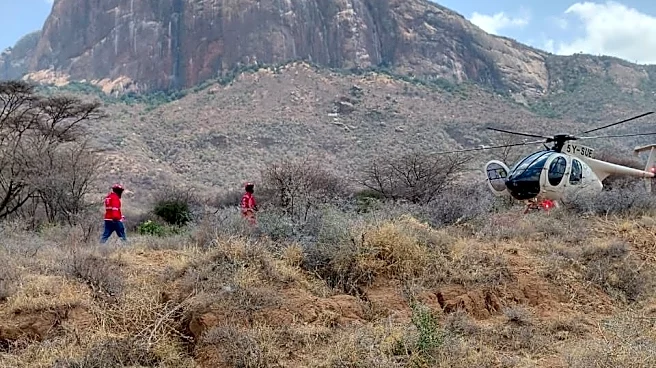
A remote village in western Kenya, Cheporor, has been inundated by thousands of gold prospectors following the discovery of a golden nugget by 33-year-old goat herder Manasse Lomachar. Lomachar reported selling three grams of gold for 36,000 Kenyan shillings
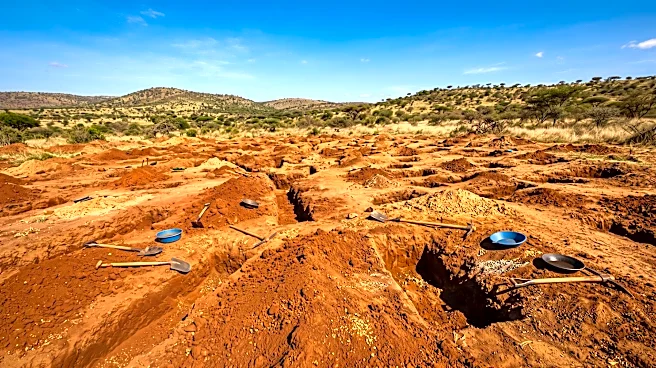
($280), an event he believes triggered the influx. In a matter of weeks, what was once bushland and grazing ground has transformed into an area marked by mining pits, earth mounds, and temporary mining camps. Local authorities estimate that approximately 10,000 individuals, including people from neighboring Uganda, arrived at the peak of the gold rush. While Lomachar attributes the excitement to his find, it remains unclear if other recent discoveries also contributed to the surge in prospecting activity. Many of these prospectors rely on unstable farming incomes, viewing even small amounts of gold as a potential life-changing opportunity.
Why It's Important?
The gold rush in Cheporor highlights the significant economic desperation and the allure of quick wealth in rural African communities. For many prospectors from Kenya and Uganda, whose livelihoods are often precarious and dependent on unreliable farming, the discovery of gold represents a rare chance to escape poverty. This influx of people can bring both potential benefits and significant challenges to the local area. While it might inject some immediate cash into the local economy through trade and services catering to the miners, it also poses risks of environmental degradation due to unregulated mining practices. Furthermore, the rapid population increase can strain existing resources, infrastructure, and social services in the small village, potentially leading to social tensions and public health concerns. The event underscores the broader economic disparities that drive individuals to participate in high-risk, informal mining operations.
What's Next?
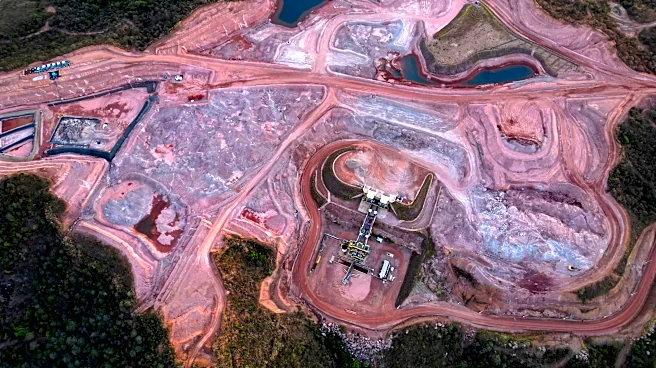
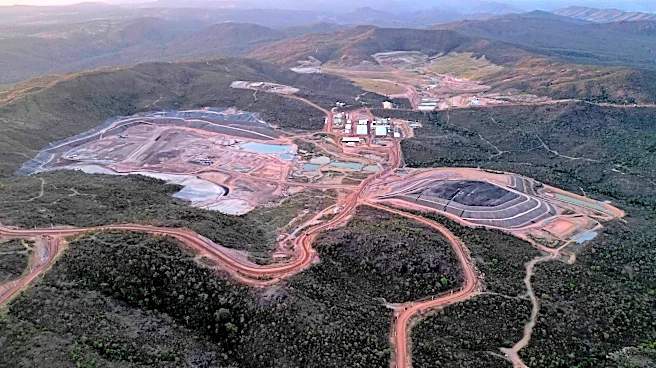
The immediate future for Cheporor will likely involve continued prospecting activity as long as gold is perceived to be available. Local authorities will face the challenge of managing the large influx of people, ensuring public order, and addressing the environmental impact of widespread mining. There may be a need for increased security presence to prevent conflicts over claims or resources. Additionally, there could be efforts to formalize or regulate the mining activities to ensure safer practices and potentially generate revenue for the local government. The sustainability of this gold rush will depend on the actual quantity of gold reserves and the long-term viability of extraction. If significant deposits are found, it could lead to more organized mining operations, but if the gold proves scarce, the prospectors may eventually disperse, leaving behind environmental damage and potentially unmet expectations.
Beyond the Headlines
This gold rush in Kenya reflects a recurring global phenomenon where the discovery of valuable natural resources can rapidly transform remote communities, often with mixed results. Beyond the immediate economic impact, such events raise critical questions about resource governance, environmental protection, and social equity. The informal nature of the mining operations often means a lack of safety standards, leading to potential accidents and health hazards for miners. Furthermore, the sudden wealth can sometimes lead to social disruption, including increased crime rates or changes in traditional community structures. The long-term implications for Cheporor will depend on how local and national governments respond to the situation, whether they can implement sustainable development strategies, and if the community can adapt to the rapid changes while preserving its social fabric and natural environment. It also highlights the ongoing global demand for precious metals and the human cost associated with their extraction.