



What's Happening?
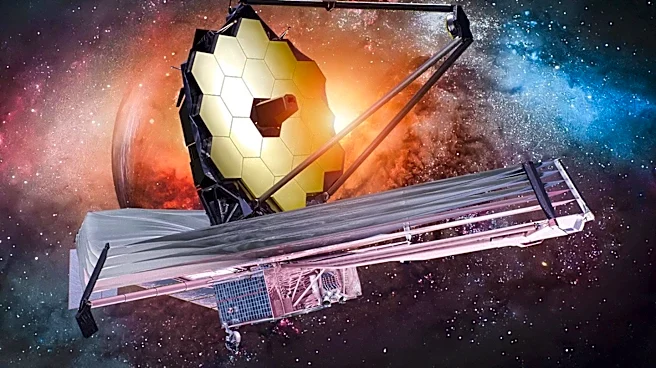
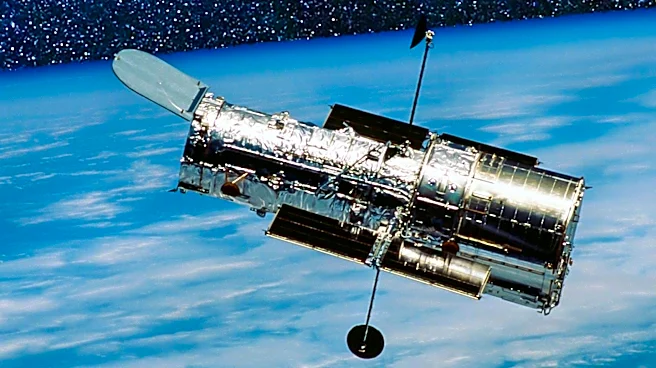
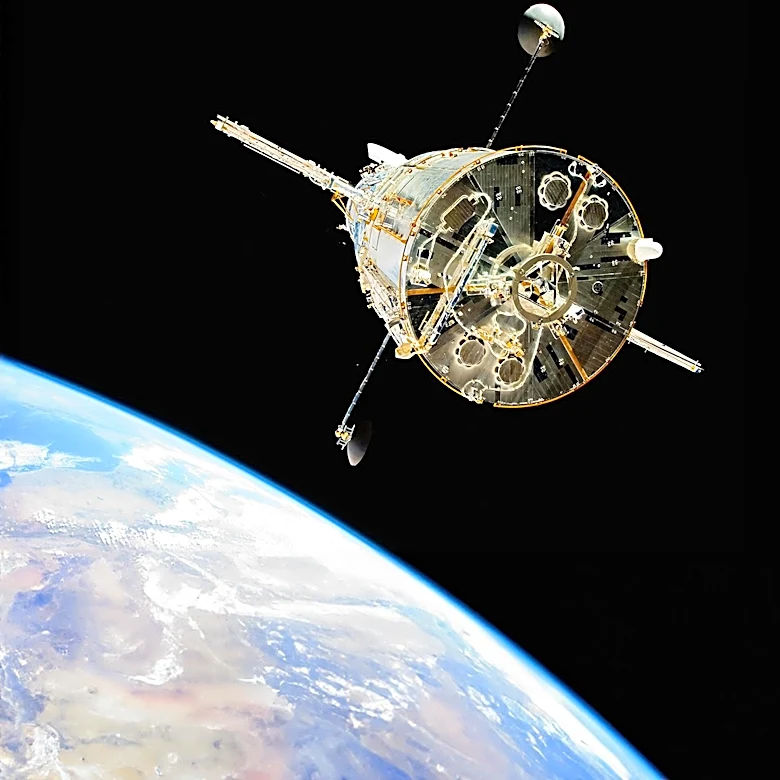
NASA's Hubble Space Telescope and James Webb Space Telescope have jointly studied Trans-Neptunian Objects (TNOs), revealing some of the smallest and faintest ever directly observed. This collaboration, detailed in two papers published in The Astronomical
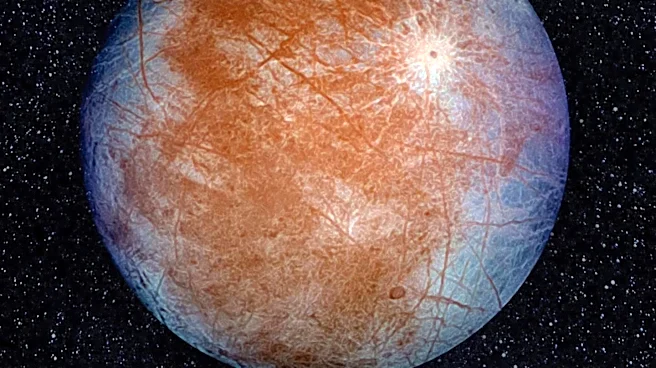
Journal, marks the first time these two powerful telescopes have worked together to characterize these distant solar system bodies. Researchers discovered 27 new, remarkably dim TNOs, with the smallest measuring approximately 3 miles (5 kilometers) in diameter. This size is about five times smaller than what ground-based telescopes can typically detect. The combined sensitivity of Hubble in visible light and Webb in infrared allowed for unprecedented insights into the color, composition, and size distribution of these icy objects. Unexpectedly, scientists found fewer small TNOs than predicted by some planet formation models, and the colors of these smaller bodies mirrored those of their larger counterparts, suggesting fewer collisions or preservation of their primordial compositions.
Why It's Important?
This joint effort by the Hubble and James Webb Space Telescopes is crucial for advancing our understanding of the early solar system and planet formation. TNOs are considered the frozen building blocks, or 'planetesimals,' from which planets formed. By studying these objects, scientists gain a direct view into the conditions and processes that occurred billions of years ago. The finding that smaller TNOs retain similar colors to larger ones challenges previous assumptions about the frequency and impact of collisions in the outer solar system. This implies that either collisions are less common than theorized, or TNOs possess a mechanism to preserve their original surface compositions. Understanding these dynamics can refine models of planetary accretion and the evolution of our solar system, providing a clearer picture of how planets, including Earth, came to be. The unexpected scarcity of very small TNOs also prompts a re-evaluation of current planet formation theories.
What's Next?
The ongoing analysis of the data collected by Hubble and Webb is expected to continue unraveling the mysteries surrounding TNOs. Researchers will further investigate why the observed number of small TNOs is lower than predicted by some planet formation models and explore the implications of their preserved surface compositions. Future studies will likely focus on refining these models to better account for the observed characteristics of TNOs. The success of this collaborative approach between Hubble and Webb also sets a precedent for future joint observations, potentially leading to more comprehensive studies of other distant and faint celestial objects. This combined observational power will enable astronomers to gather more detailed information than either telescope could achieve independently, paving the way for new discoveries in planetary science and astrophysics.
Beyond the Headlines
The collaboration between the Hubble and James Webb Space Telescopes represents a significant leap in astronomical observation capabilities, highlighting the synergistic potential of combining different observational wavelengths. Hubble's visible light sensitivity complements Webb's infrared capabilities, allowing for a more complete spectral analysis of distant objects. This integrated approach not only enhances our ability to detect and characterize faint bodies like TNOs but also offers a template for future multi-observatory missions. Ethically, this collaboration underscores the value of international scientific cooperation, as both telescopes are projects of international partnerships (NASA and ESA for Hubble, and NASA, ESA, and CSA for Webb). The insights gained from TNOs could also have broader implications for understanding exoplanet formation, as the processes observed in our solar system's distant reaches may offer clues about planet-building in other star systems.