


What's Happening?
Tribal leaders and state officials, including Julie Johnson of the Lummi Nation, co-chair of the Native Vote committee at the Affiliated Tribes of Northwest Indians (ATNI) and chair of the Native American Caucus of the Washington State Democrats, are
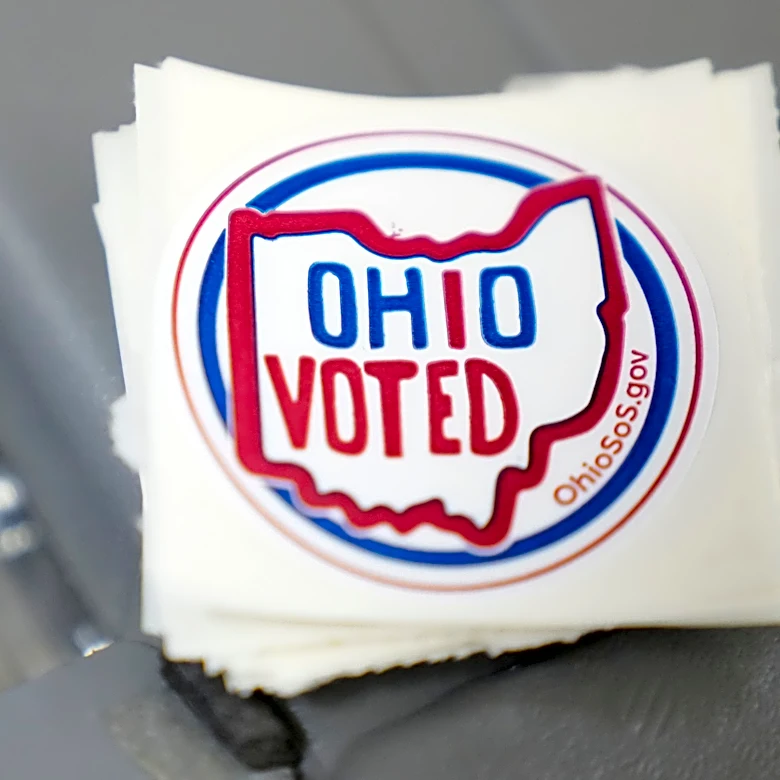
urging Native communities to utilize ballot drop boxes and vote early. This push comes amidst concerns over mail-in voting, particularly in Washington state, where an increasing number of ballots have been rejected due to late postmarks following changes to U.S. Postal Service policy. These changes, which were challenged by Washington state in a lawsuit against the U.S. Postal Service, could disproportionately affect rural communities, including reservations, due to the distance to processing centers. While every reservation in Washington currently has at least one drop box, Johnson is encouraging tribal leaders, especially on larger reservations like Colville and Yakama, to request additional drop boxes from the Secretary of State's office to ensure accessibility and prevent voter suppression.
Why It's Important?
This initiative is crucial for safeguarding the voting rights and participation of Native Americans in U.S. elections. The concerns about mail-in ballot rejections due to postal service changes highlight a potential systemic barrier to voting, particularly for communities in remote areas. By advocating for more accessible drop boxes, tribal leaders are directly addressing issues of voter access and ensuring that Native voices are heard in the democratic process. The emphasis on early voting and hand-delivery of ballots aims to mitigate the impact of postal delays and policy changes that could otherwise lead to disenfranchisement. This effort also underscores the broader challenge of ensuring equitable access to voting mechanisms for all citizens, especially those in geographically isolated or underserved regions, and the role of local and tribal leadership in advocating for their communities' electoral needs.
What's Next?
Tribal leaders, including Julie Johnson, will continue to encourage Native communities to vote early and utilize ballot drop boxes. They will also persist in their efforts to engage with the Secretary of State's office to request additional drop boxes for larger reservations in Washington state. The focus will remain on educating voters about the importance of early voting and the reliability of drop boxes as a secure method for ballot submission. Furthermore, organizations like the Native Civic Power Initiative will continue their work to register more Native voters and build civic power across Indian Country, aiming to increase Native voter turnout and participation in the upcoming elections. The ongoing dialogue between tribal leaders and state officials will be critical in addressing any further challenges related to voting access.
Beyond the Headlines
The efforts to increase ballot drop boxes on reservations extend beyond immediate electoral concerns, touching upon deeper issues of sovereignty, self-determination, and historical disenfranchisement of Native American communities. The emphasis on ensuring accessible voting options reflects a broader struggle for political empowerment and recognition within the U.S. political system. The challenges posed by changes in postal service policy, particularly their disproportionate impact on rural and tribal areas, highlight the ongoing need for vigilance against policies that could inadvertently or intentionally suppress votes. This situation also underscores the importance of tribal governments and organizations in advocating for their communities' rights and ensuring their full participation in civic life, thereby strengthening democratic principles and representation for all citizens.