






What's Happening?
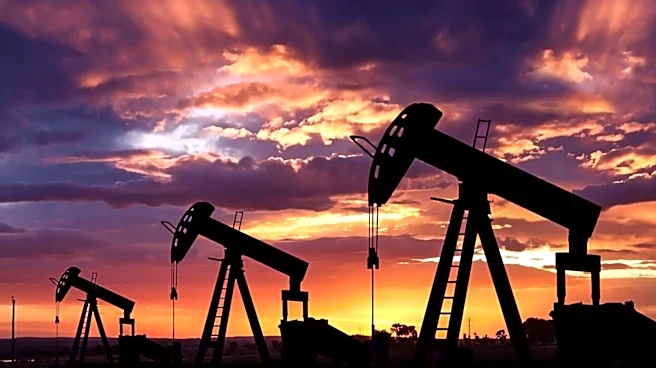
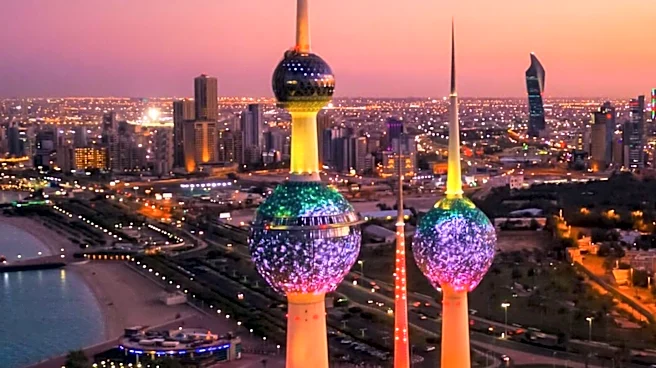
Kuwait Petroleum Corporation (KPC) is inviting consortiums to bid for a $7 billion stake in its oil pipeline network. This move aligns with similar strategies by other Gulf countries like Saudi Arabia and the UAE, which have engaged international investors
in their energy infrastructure. KPC is seeking to attract major international infrastructure investors, including BlackRock, Brookfield Asset Management, EIG Partners, and KKR, to participate in the bidding process. Despite the geopolitical tensions in the Middle East, particularly the ongoing conflict involving Iran, KPC remains committed to proceeding with the sale. The initiative is part of a broader strategy to raise funds by leasing and re-leasing its pipeline assets, a model previously adopted by regional peers.
Why It's Important?
Kuwait's decision to open its oil pipeline network to international investors is significant as it reflects a broader trend among Gulf countries to monetize energy infrastructure assets. This strategy allows these nations to raise capital while retaining control over their critical energy resources. The involvement of major global investors underscores the attractiveness of Middle Eastern energy assets despite regional geopolitical risks. For the U.S. and other international stakeholders, such deals can enhance energy security by ensuring stable and diversified energy supplies. Additionally, the influx of foreign investment can bolster Kuwait's economy, providing funds for development and modernization projects.
What's Next?
As the bidding process progresses, the outcome will likely influence future investment strategies in the region's energy sector. Successful deals could encourage other countries to adopt similar approaches, further integrating global financial markets with Middle Eastern energy infrastructure. However, geopolitical tensions, particularly those involving Iran, may pose challenges to the completion of such deals. Investors will need to carefully assess the risks and potential returns associated with these investments. The ongoing situation in the Middle East will continue to be a critical factor in shaping the region's energy landscape.