








What's Happening?
The Cook County Board of Review has initiated the prefiling period for appeals concerning 2026 property tax bills. This allows homeowners who experienced property damage from recent storms to begin the process of potentially reducing their tax obligations
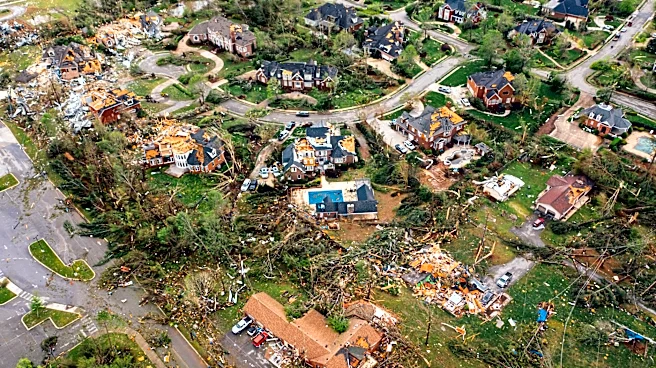
for the upcoming year. While relief for storm damage is not applicable to the 2025 tax bills currently being distributed, proper documentation of damage from this year's storms can influence 2027 charges. The second installment of 2025 property tax bills is expected to be mailed by September 1. Board Chair George Cardenas urged residents to verify their exemptions, noting that some seniors might fall off the 'senior freeze' list and new property owners may need to file for new exemptions. The first group of townships eligible for appeal—Evanston, New Trier, Norwood Park, Oak Park, River Forest, Riverside, and Rogers Park—have until September 1 to file for next year's first installment and until September 11 to submit supporting evidence.
Why It's Important?
This initiative by the Cook County Board of Review is crucial for property owners affected by recent storm damage, offering a pathway to financial relief on future tax bills. The ability to appeal based on property damage can significantly mitigate the financial burden on homeowners who have incurred repair costs and experienced diminished property value. This is particularly important in areas prone to severe weather events, where property damage can be extensive and costly. By encouraging early filing and thorough documentation, the Board aims to streamline the appeal process and ensure fair assessments. The emphasis on checking exemptions also highlights a common issue where eligible residents might miss out on savings due to administrative oversights or lack of awareness, underscoring the importance of proactive engagement with property tax processes.
What's Next?
Property owners in the designated townships (Evanston, New Trier, Norwood Park, Oak Park, River Forest, Riverside, and Rogers Park) must file their appeals for the first installment of 2026 tax bills by September 1, with evidence submission due by September 11. Other townships will have their appeal periods open at later dates. Homeowners who have experienced storm damage are advised to meticulously document all damage with photos, insurance information, repair estimates, hotel bills, and contractor reports. Board Commissioner Larry Rogers emphasized that even damage not affecting habitability, such as garage damage, can be considered. The Board encourages all property owners to follow through with the appeal process to ensure accurate assessments. This ongoing process will determine the extent of tax relief for affected residents and set precedents for handling future storm-related property tax adjustments.
Beyond the Headlines
The proactive stance of the Cook County Board of Review in addressing storm-related property tax appeals reflects a growing recognition of climate change impacts on local economies and individual property owners. Beyond immediate financial relief, this process highlights the broader implications of extreme weather events on property valuation and municipal revenue. It also underscores the administrative challenges in adapting tax systems to account for unforeseen environmental damages. The call for detailed documentation places a significant responsibility on homeowners, potentially revealing disparities in access to resources for evidence collection. This situation could also spur discussions on disaster preparedness, insurance policies, and long-term urban planning strategies to mitigate the financial fallout from increasingly frequent and severe weather phenomena, influencing future policy decisions regarding property assessments and disaster relief mechanisms.