

What's Happening?
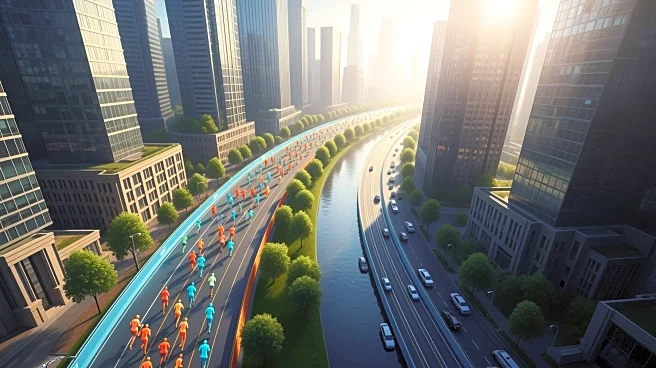
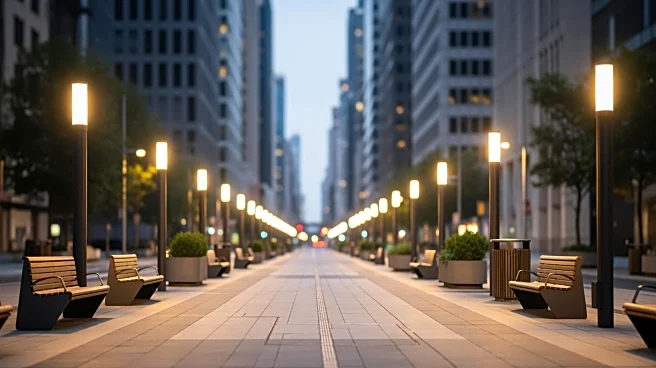
Democratic Councilman Lincoln Restler from Brooklyn has introduced a bill proposing the creation of 1 million square feet of new pedestrian space annually in New York City over the next five years. The legislation aims to prioritize pedestrian areas near
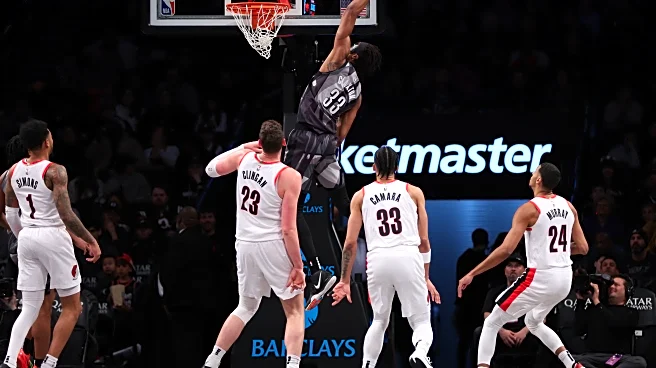
high-traffic bus stops and subway stations, such as Manhattan's Herald Square and Brooklyn's Barclays Center. The proposal includes new pedestrian plazas, curb extensions, and other car-free spaces. However, the bill does not specify the number of parking spaces and driving lanes that would be affected, leading to criticism from some city officials and residents. Critics argue that the plan could exacerbate traffic congestion and limit access for seniors and disabled individuals who rely on curbside pickups.
Why It's Important?
The proposed expansion of pedestrian spaces in New York City reflects a growing trend towards prioritizing pedestrian and cyclist infrastructure over car traffic. This shift could significantly impact urban planning and transportation policies, potentially reducing vehicle emissions and promoting healthier lifestyles. However, the plan has sparked controversy, particularly among residents of outer boroughs who may face increased commuting challenges. The debate highlights the tension between urban development goals and the practical needs of diverse city populations, including those in transit-poor areas. The outcome of this proposal could set a precedent for similar initiatives in other major cities.
What's Next?
As the bill progresses, it will likely undergo further scrutiny and debate within the New York City Council. Stakeholders, including transportation officials, community groups, and local businesses, are expected to weigh in on the potential impacts of the proposed pedestrian spaces. The Department of Transportation is tasked with incorporating the proposal into its upcoming Streets Master Plan, which will outline the city's transportation priorities for the next five years. The plan's success will depend on balancing the needs of pedestrians with those of drivers and ensuring equitable access to transportation across all city neighborhoods.