

What's Happening?
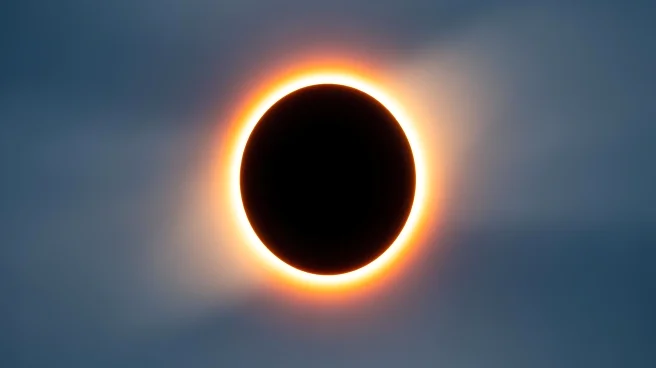
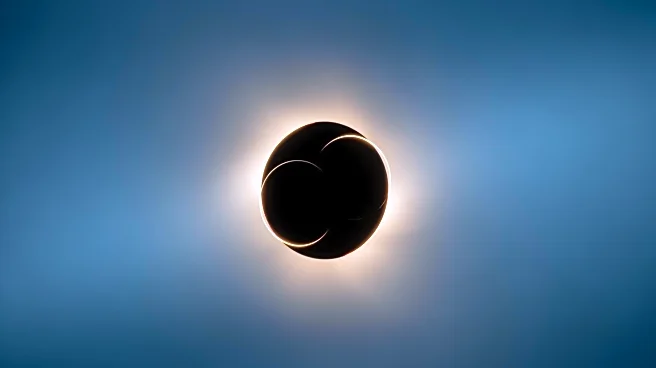
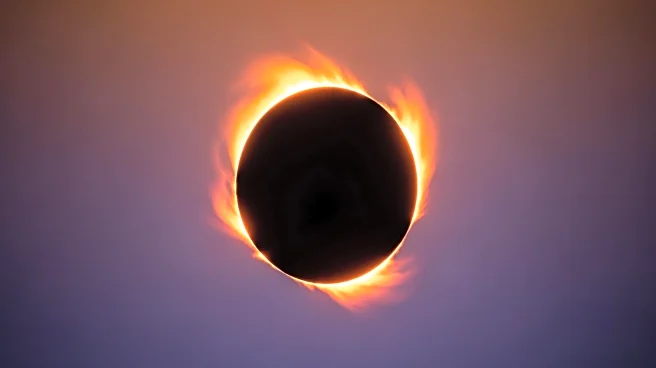
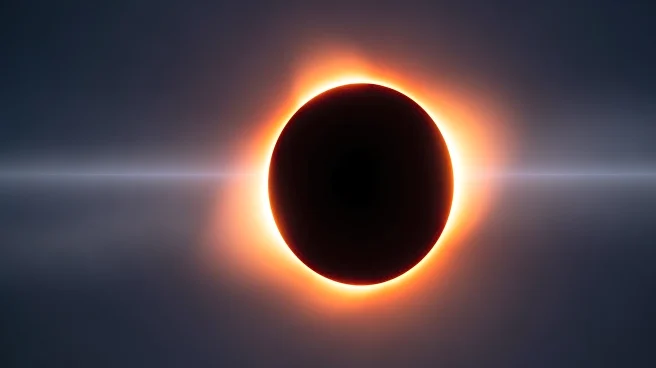
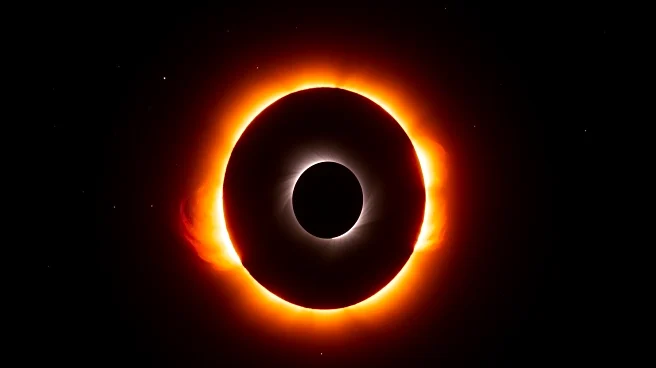
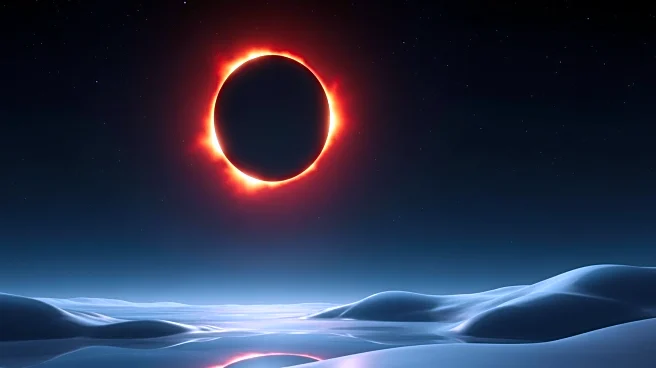
The 2026 annular solar eclipse, known for its 'ring of fire' effect, will occur on February 17, 2026. This celestial event happens when the moon passes between the Earth and the sun but appears smaller, leaving a bright ring of sunlight visible. Unfortunately,
the path of this eclipse will not cross the continental United States, as it will primarily be visible from Antarctica and parts of the Southern Ocean. Despite this, American audiences can still experience the event through live broadcasts and virtual reality simulations. NASA and other organizations plan to provide comprehensive coverage, including expert commentary and real-time scientific data, allowing viewers to enjoy the spectacle from the comfort of their homes.
Why It's Important?
The 2026 annular solar eclipse presents a unique opportunity for educational engagement and public interest in astronomy, despite its inaccessibility to U.S. viewers. The event highlights the advancements in technology that allow people to experience such phenomena virtually, bridging geographical limitations. This eclipse serves as a reminder of the importance of scientific outreach and the role of institutions like NASA in making complex astronomical events accessible to the general public. Additionally, it underscores the growing interest in space and celestial events, which can inspire future generations to pursue careers in science and technology.
What's Next?
Following the 2026 annular solar eclipse, the next significant celestial event will be a lunar eclipse on March 3-4, 2026, which will be visible from various parts of the world. This lunar eclipse, often referred to as a 'Blood Moon' due to the reddish hue the moon takes on, will provide another opportunity for public engagement and education. For the U.S., the next annular solar eclipse visible from parts of the country will not occur until 2046, making virtual participation in the 2026 event even more significant for American audiences.