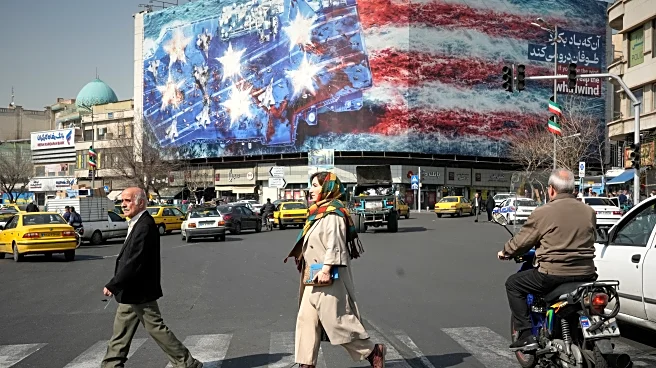




What's Happening?
Iran's Foreign Minister, Abbas Araghchi, has indicated a potential meeting with U.S. envoy Steve Witkoff in Geneva to discuss Iran's nuclear program. This follows two rounds of indirect talks aimed at resolving tensions over Iran's nuclear ambitions.
Araghchi expressed optimism about reaching a diplomatic solution, emphasizing that the nuclear issue is the sole focus of these discussions. The backdrop to these talks includes recent antigovernment protests in Iran, sparked by a severe crackdown that resulted in thousands of deaths. The Trump administration has maintained a strong military presence in the Middle East, signaling readiness for limited strikes if necessary. Iran, on its part, is preparing a draft proposal for the negotiations, asserting its right to enrich uranium, a point of contention with the U.S., which opposes any nuclear weapon capability for Iran.
Why It's Important?
The potential meeting between Iranian and U.S. officials is significant as it represents a possible thaw in relations that have been strained since the U.S. withdrew from the 2015 nuclear deal. The outcome of these talks could have far-reaching implications for regional stability in the Middle East and global nuclear non-proliferation efforts. A successful diplomatic resolution could ease tensions and reduce the risk of military conflict, benefiting global markets and international relations. Conversely, failure to reach an agreement could escalate hostilities, impacting global oil prices and security dynamics in the region. The protests in Iran also highlight internal pressures on the Iranian government, which could influence its negotiating stance.
What's Next?
If the meeting proceeds, it could pave the way for more direct negotiations and potentially a new agreement on Iran's nuclear program. The international community, particularly European allies, will be closely monitoring these developments, as they have a vested interest in preventing nuclear proliferation. The U.S. and Iran will need to navigate complex issues, including uranium enrichment levels and regional security concerns. The outcome of these talks could also affect U.S. foreign policy and its approach to other international agreements.