




What's Happening?
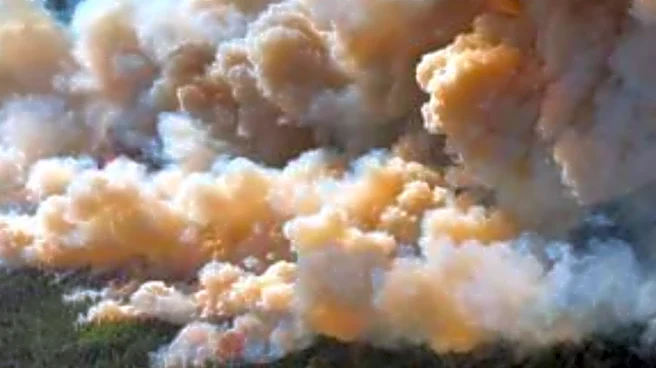
The wildfire near Craig Lake in Baraga County, Michigan, has continued to grow, primarily driven by high winds and the rugged terrain of the area. The fire, which originated from two lightning-strike fires that merged, has been active since Thursday afternoon.
According to DNR Fire Upper Peninsula Fire Specialist Keith Murphy, resources are on-site, but the challenging landscape makes it difficult to accurately assess the fire's exact size. There are currently no suppression airplanes assisting at the Craig Lake fire, as they have been redirected to other fire incidents. The Department of Natural Resources (DNR) is also managing several other wildfires in the region, including a 4-acre fire near Humboldt, a small and contained fire near Shingleton, and a 1.5-acre fire in Luce County.
Why It's Important?
The expansion of the Craig Lake wildfire poses significant environmental and safety concerns for Michigan's Upper Peninsula. The challenging terrain not only hinders firefighting efforts but also increases the risk of the fire spreading to more remote or populated areas. The diversion of air suppression resources to other incidents highlights the strain on firefighting capabilities, suggesting a broader issue of widespread wildfire activity that could impact resource allocation and response times across the state. This situation underscores the vulnerability of natural landscapes to weather conditions like high winds, which can rapidly escalate fire events. For local communities, continued growth of the fire could lead to air quality issues, potential evacuations, and damage to natural resources vital for local ecosystems and tourism.
What's Next?
Authorities will continue to monitor the Craig Lake wildfire, with updates expected as more information becomes available regarding containment efforts and the fire's progression. The DNR will likely persist in its ground-based suppression strategies, adapting to the difficult terrain. The absence of air support suggests that the focus will remain on containing the fire's spread through other means until aerial resources become available. Residents in surrounding areas should stay informed through local news channels for any potential advisories or evacuation orders. Further assessment of the fire's size and potential impact will depend on weather conditions and the effectiveness of ongoing firefighting operations.
Beyond the Headlines
The situation at Craig Lake reflects a growing challenge in wildfire management, particularly in regions with difficult access and under conditions exacerbated by climate factors. The merging of lightning-strike fires points to natural ignition sources, which are often unpredictable and can occur in remote areas, making early detection and response difficult. The strain on air suppression resources across multiple incidents suggests a need for enhanced regional or national coordination in wildfire response, especially during periods of high fire danger. This event could prompt discussions on long-term strategies for forest management, prescribed burns, and community preparedness in fire-prone areas to mitigate future risks and protect both natural habitats and human settlements.