



What's Happening?
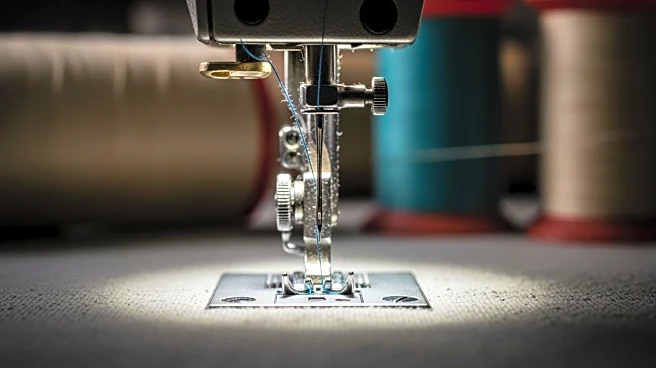
The garment industry in Bangladesh, a critical component of the country's economy, experienced a significant downturn in 2020, with exports falling by nearly 18 percent. This decline was primarily due to mass order cancellations from Western buyers during
the pandemic. The sector is heavily reliant on these buyers, making it vulnerable to global market fluctuations. The World Bank and the International Labour Organization (ILO) have highlighted the industry's role as a macroeconomic stabilizer and a major source of female employment, with over 60 percent of the workforce being women. This employment is crucial for reducing urban poverty in Bangladesh. However, the industry's dependence on a few markets poses a political challenge, as any contraction can quickly impact social stability.
Why It's Important?
The decline in Bangladesh's garment exports underscores the fragility of an economy heavily reliant on a single industry and a limited number of international buyers. This situation highlights the need for diversification to ensure economic stability and resilience against global disruptions. The garment sector's role in providing employment, particularly for women, is vital for social stability and poverty reduction. A downturn in this industry could lead to increased unemployment and social unrest, affecting the broader economic and social fabric of the country. The situation also serves as a cautionary tale for other nations with similar economic dependencies.
What's Next?
To mitigate these challenges, Bangladesh may need to explore diversifying its export markets and investing in other sectors to reduce its economic vulnerability. The government and industry stakeholders might consider strategies to enhance competitiveness, such as improving product quality and moving up the value chain. Additionally, there could be efforts to strengthen domestic markets and reduce reliance on a few international buyers. These steps could help stabilize the economy and provide a more sustainable path for growth.
Beyond the Headlines
The situation in Bangladesh's garment industry also raises questions about the ethical responsibilities of international buyers and the global supply chain's impact on developing economies. The heavy reliance on low-cost labor and the pressure to maintain competitive pricing can lead to exploitative practices and poor working conditions. This scenario calls for a reevaluation of global trade practices and the need for more equitable and sustainable business models that consider the welfare of workers and the long-term stability of supplier countries.