




What's Happening?
Florida has officially submitted its bid to NASA for the United States Space Academy, proposing a two-part plan. The first part involves establishing an interim campus at the University of Central Florida (UCF), ready to host the inaugural class of 300
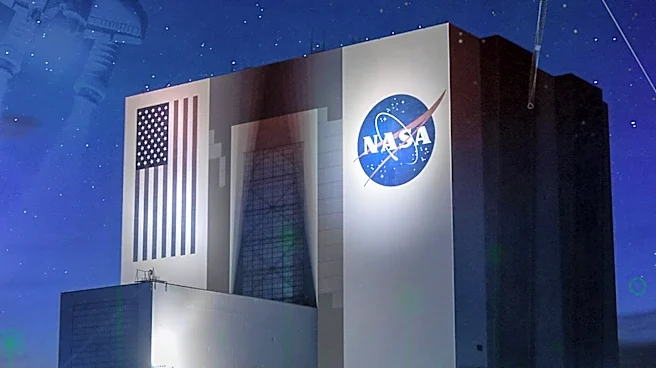
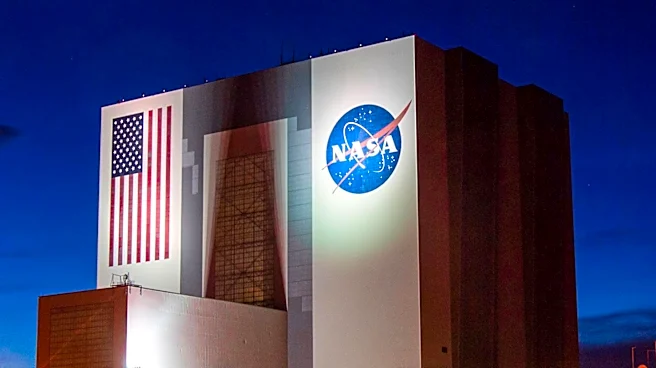
students in Fall 2028. This interim solution would be supported by Embry-Riddle Aeronautical University and the Space University Research Consortium. The second part of the proposal outlines a permanent 1,000-acre site at Kennedy Space Center. This site could be made available through an amendment to Space Florida’s existing NASA property agreement, with groundbreaking potentially in 2027 and a permanent campus for at least 1,200 students by Fall 2031. Florida officials emphasize the state's existing infrastructure, workforce, and partnerships with NASA, national security missions, and commercial space companies as key advantages. Governor Ron DeSantis highlighted Florida's leadership in space exploration and innovation, asserting that the state is uniquely positioned to prepare the next generation of aerospace leaders.
Why It's Important?
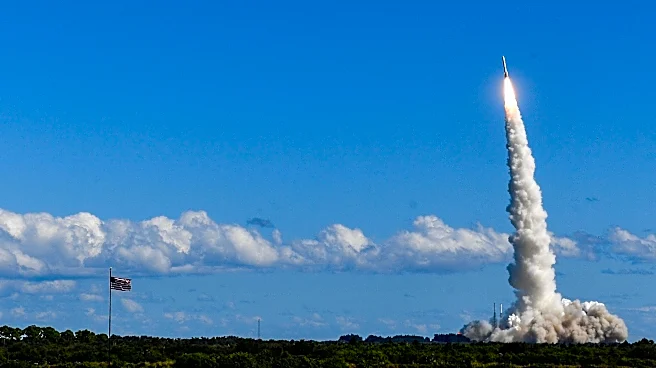
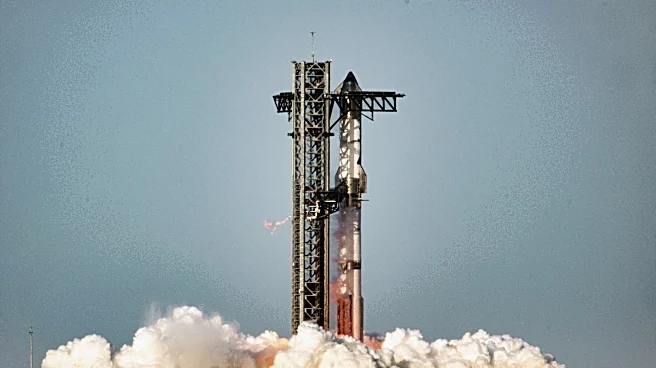
The establishment of the United States Space Academy is crucial for maintaining America's leadership in space exploration and innovation. Florida's bid highlights the strategic advantage of locating the academy within an active space ecosystem, where students can gain firsthand experience alongside ongoing civil, national security, and commercial space operations. This proximity to major space enterprises like Kennedy Space Center and Cape Canaveral Space Force Station could provide unparalleled learning and networking opportunities, potentially accelerating the development of a highly skilled aerospace workforce. The proposed funding model, which blends in-kind investments and strategic financing from Florida, aims to reduce upfront federal costs, making the state's proposal financially attractive. The academy's location could also stimulate economic growth in Florida, creating high-paying jobs and further solidifying the state's role as a hub for the aerospace industry.
What's Next?
NASA will now evaluate Florida's proposal along with bids from other states for the United States Space Academy. If selected, Florida plans to move swiftly, with UCF prepared to host the initial class by Fall 2028. Concurrently, efforts would begin to develop the permanent campus at Kennedy Space Center, aiming for a 2027 groundbreaking and a 2031 opening. Key stakeholders, including state political leaders, educational institutions, and Space Florida, are committed to supporting the academy's development and long-term growth. The decision by NASA will determine the future location for training America's next generation of space leaders, influencing regional economic development and the national aerospace talent pipeline for decades to come.
Beyond the Headlines
The competition to host the United States Space Academy reflects a broader national strategy to bolster STEM education and secure future leadership in the rapidly evolving space sector. Beyond the immediate economic benefits and job creation, the academy's location will shape the culture and practical experience of future aerospace professionals. Placing it in Florida, amidst a vibrant operational space environment, could foster a unique synergy between academic learning and real-world application, potentially leading to more innovative and practically-minded graduates. This initiative also underscores the increasing collaboration between government, academia, and the private sector in advancing U.S. space capabilities, moving beyond traditional government-led space programs to a more integrated ecosystem.