




What's Happening?
A significant number of Americans are resorting to credit cards and 'Buy Now, Pay Later' (BNPL) plans to cover their grocery expenses, leading to increased debt. An analysis by the Urban Institute revealed that over one in four working-age adults struggled
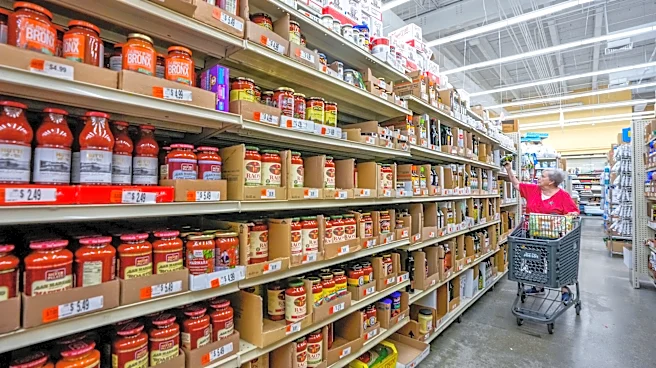
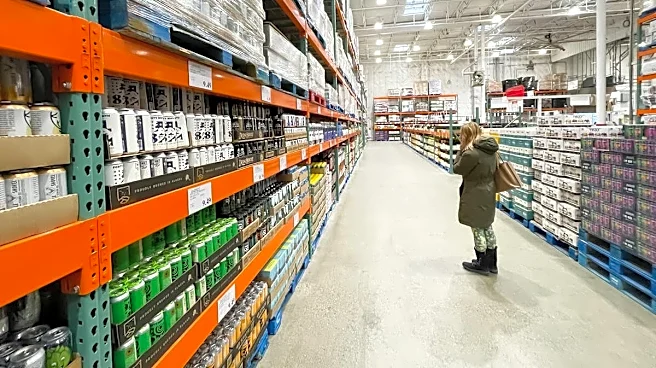
to pay off grocery-related credit card debt last year. Additionally, nearly 10% of consumers utilized BNPL services for groceries, with many subsequently facing difficulties in meeting their payment obligations. This trend highlights the growing financial strain on households due to rising grocery prices. Consumer Reports' Brian Vines advises strategies to mitigate these costs, including checking existing pantry items before shopping, setting a budget, and comparing prices across different retailers. Stores like Costco, BJ’s, Aldi, and Lidl were identified as generally less expensive than Walmart in a price comparison.
Why It's Important?
The increasing reliance on credit and BNPL for essential groceries signifies a deepening affordability crisis for many U.S. households. This situation has broad implications for consumer financial health, potentially leading to higher personal debt, lower credit scores, and reduced disposable income for other necessities. The shift in consumer behavior also impacts the retail sector, as traditional supermarkets face pressure from discount retailers. The struggle to afford food can exacerbate economic inequality and create a cycle of debt, particularly for vulnerable populations. Furthermore, the use of BNPL for everyday consumables like groceries, rather than larger purchases, indicates a fundamental challenge in managing household budgets, suggesting that current income levels are insufficient to cover basic living costs for a substantial portion of the population.
What's Next?
As grocery prices continue to be a concern, consumers are likely to increasingly adopt cost-saving strategies such as utilizing coupons, opting for store brands, and meticulously comparing unit prices. Retailers may respond by intensifying competitive pricing strategies and expanding their private-label offerings to attract budget-conscious shoppers. Policymakers might face increased pressure to address food affordability through various measures, potentially including subsidies, price controls, or enhanced social safety nets. The trend of using credit for groceries could also prompt financial institutions to develop new products or services tailored to this growing need, while consumer advocacy groups will likely continue to provide guidance on managing grocery expenses and debt. The long-term implications could include a permanent shift in consumer shopping habits towards discount retailers and a greater emphasis on value over brand loyalty.
Beyond the Headlines
The phenomenon of going into debt for groceries points to a more profound economic issue beyond simple inflation: the erosion of purchasing power for average Americans. This situation can lead to significant stress and anxiety for families, impacting mental and physical well-being. The normalization of using credit for basic necessities could also mask underlying systemic issues related to stagnant wages, rising housing costs, and other inflationary pressures that collectively squeeze household budgets. Ethically, it raises questions about the accessibility of nutritious food and the societal responsibility to ensure basic needs are met without forcing individuals into debt. Culturally, it could lead to changes in dietary habits as consumers prioritize cheaper, potentially less healthy, options. This trend underscores the urgent need for comprehensive economic solutions that address the root causes of financial precarity for a substantial segment of the U.S. population.