


What's Happening?
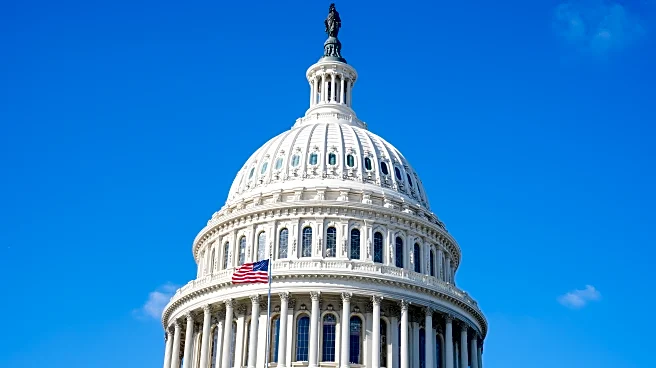
The Department of Homeland Security (DHS) is experiencing a funding crisis due to a partial government shutdown, with no immediate resolution in sight. The shutdown began after Congress failed to reach an agreement on DHS funding, largely due to disagreements
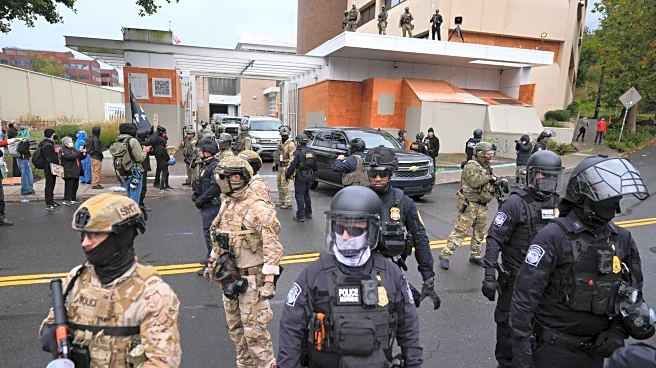
over immigration enforcement policies. Democrats are demanding reforms in response to recent incidents involving federal immigration enforcement officers, while the Trump administration and Republican leaders have rejected some of these demands. The shutdown affects critical DHS functions, including air travel security and disaster relief, although some operations continue using surplus funds.
Why It's Important?
The DHS shutdown has significant implications for national security and public safety. As a key agency responsible for border security, immigration enforcement, and disaster response, any disruption in its operations can have widespread effects. The ongoing funding impasse highlights the deep political divisions in Congress, particularly over immigration policy. The shutdown could lead to longer airport security lines, delays in disaster relief, and potential unrest among DHS employees working without pay. The situation underscores the challenges of governance in a polarized political environment and the potential consequences of legislative gridlock.
What's Next?
Negotiations between the White House and congressional Democrats are ongoing, but a resolution remains uncertain. The pressure to end the shutdown is likely to increase as its impacts become more pronounced, potentially forcing both sides to compromise. If no agreement is reached, Democrats may push for a short-term funding extension to allow more time for negotiations. The outcome of these discussions will determine the future of DHS operations and could influence broader immigration policy debates. The situation is further complicated by the upcoming State of the Union address, which may serve as a platform for political posturing.