





What's Happening?
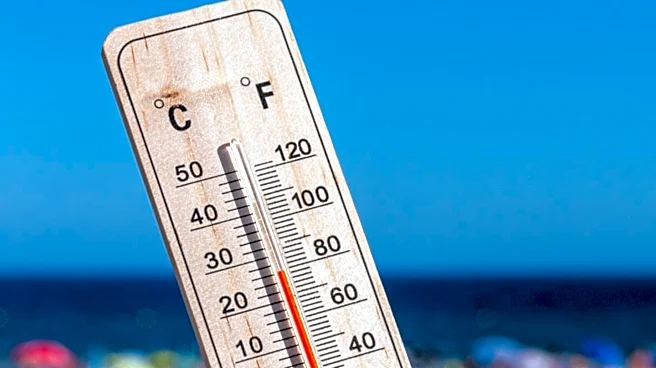
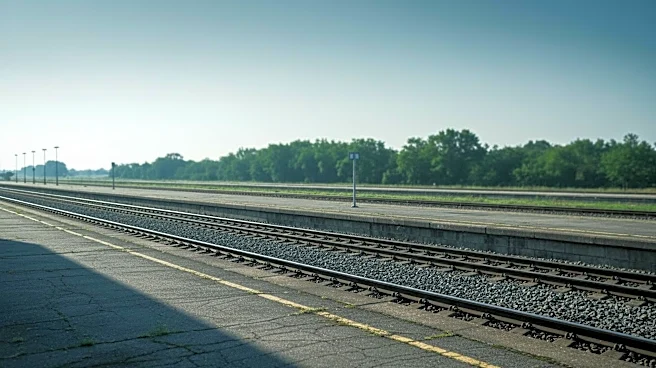
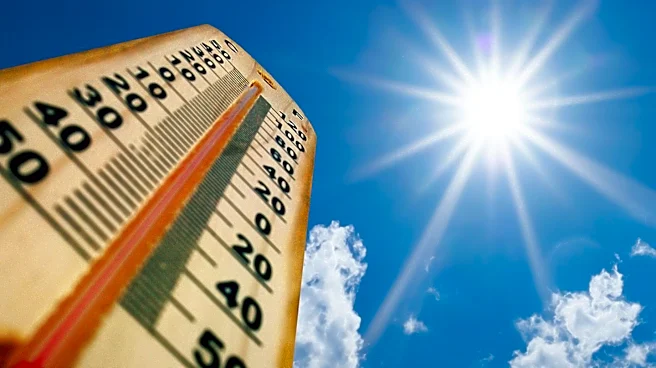
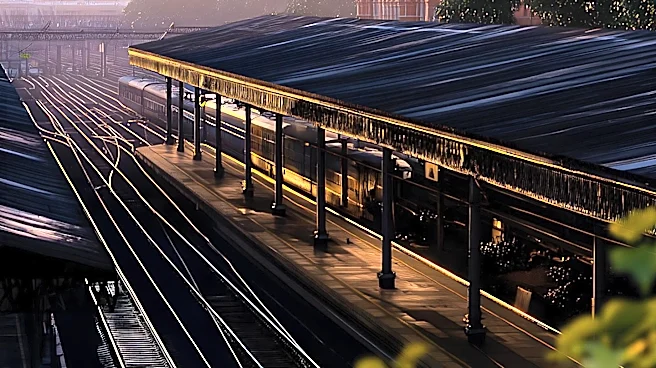
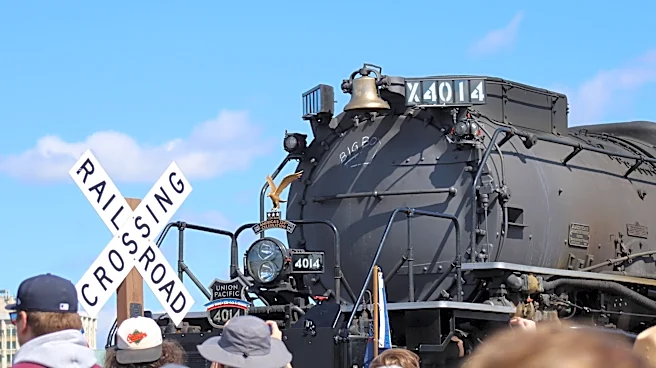
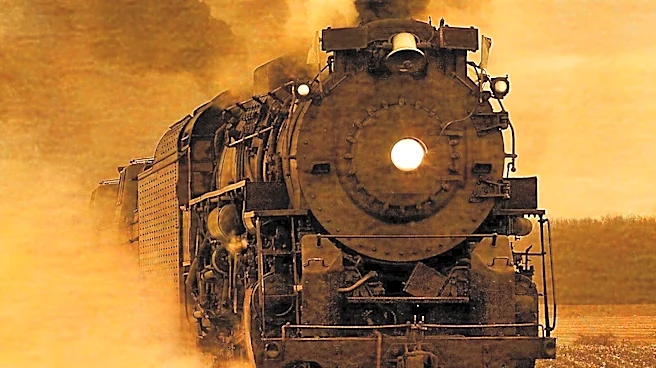
A mass casualty event occurred at the Reading Railroad Outer Station in Muhlenberg Township, Pennsylvania, where more than 100 individuals required medical attention due to heat-related issues. The incident took place on July 2, 2026, as the world's largest
operating steam locomotive, Big Boy, was making a stop in Reading as part of its northeast tour. Emergency services from multiple counties, including Berks, Lancaster, Chester, and Schuylkill, responded to the scene. They set up ambulances, tents, and cooling buses to manage the situation. The Blandon Fire Company QRS, along with other emergency responders, played a crucial role in patient triage, treatment, and transport. The event attracted large crowds eager to see the historic locomotive, which was running behind schedule due to the extreme heat.
Why It's Important?
This incident highlights the challenges posed by extreme weather conditions, particularly during large public events. The response underscores the importance of emergency preparedness and the need for adequate resources to handle mass casualty situations. The event also draws attention to the potential health risks associated with heat exposure, especially in crowded settings. For the local community and emergency services, this incident serves as a critical reminder of the need for effective coordination and rapid response capabilities. Additionally, it raises awareness about the impact of climate conditions on public gatherings and transportation schedules.
What's Next?
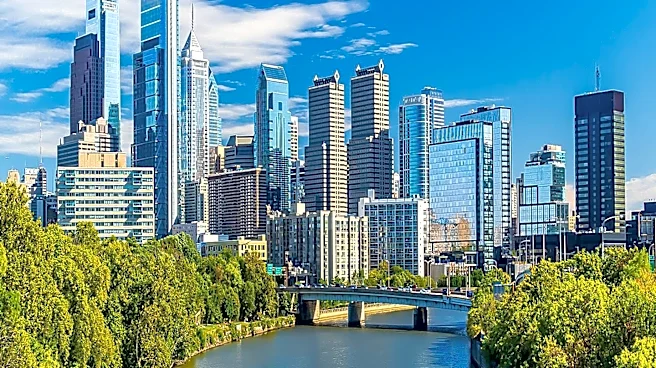
Authorities are expected to release further updates on the condition of those affected and any additional measures that may be implemented to prevent similar incidents in the future. The Big Boy locomotive tour will continue, with its next scheduled stop at the Navy Yard in South Philadelphia on July 4. Organizers and local authorities may consider additional precautions to ensure the safety of attendees, such as providing more cooling stations and medical support. The incident may also prompt discussions on improving infrastructure and emergency response strategies for future events.