





What's Happening?
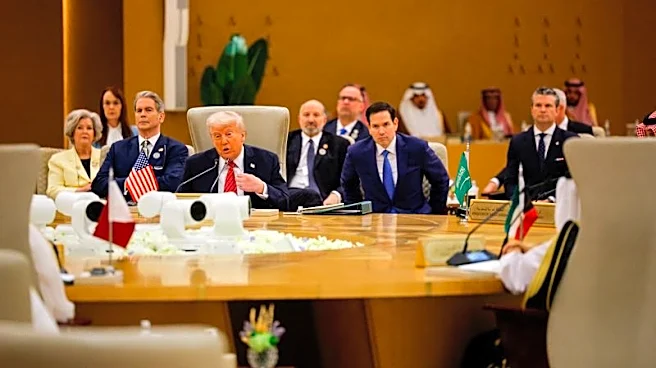
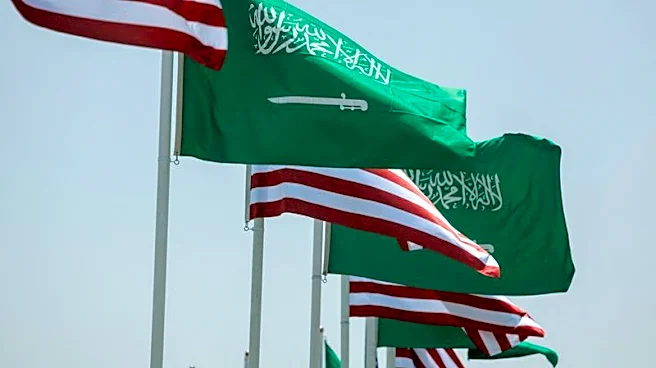
The United States and Saudi Arabia have signed a nuclear agreement, allowing the U.S. to provide technology for Saudi Arabia's civilian nuclear program. This development comes as Saudi Crown Prince Mohammed bin Salman has previously stated that the kingdom
would pursue nuclear weapons if Iran were to develop them. The agreement aims to strengthen U.S.-Saudi relations and support the kingdom's energy needs while raising concerns about potential nuclear proliferation in the region.
Why It's Important?
The agreement highlights the strategic importance of U.S.-Saudi relations, particularly in the context of global energy markets and regional security. While the deal is intended to support Saudi Arabia's civilian energy needs, it raises concerns about nuclear proliferation, especially given the ongoing tensions with Iran. The U.S. aims to balance its economic interests with non-proliferation goals, but the agreement's implications for regional stability and international nuclear norms remain a point of contention.
What's Next?
The agreement will undergo congressional review, where it may face scrutiny over its potential impact on nuclear proliferation. The U.S. will need to ensure that adequate safeguards are in place to prevent the misuse of nuclear technology. The deal's reception by other countries in the region, particularly Iran and Israel, will be critical in shaping future diplomatic and security dynamics. The U.S. may need to engage in further diplomatic efforts to address regional concerns and promote stability.