







What's Happening?
The Mona Lisa, painted by Leonardo da Vinci in the early 16th century, gained unprecedented global recognition following its theft from the Louvre Museum on August 21, 1911. The incident, widely dubbed the 'art heist of the century' by international media
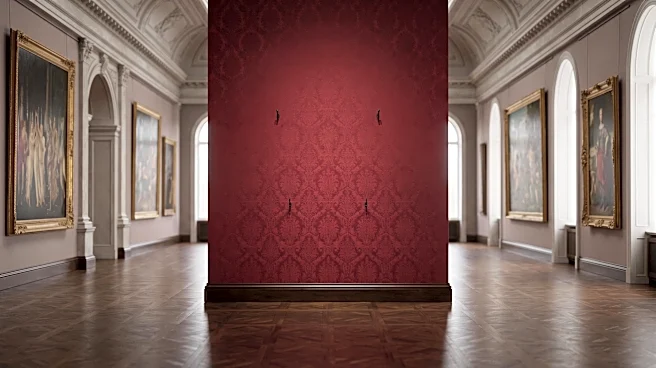
including The New York Times, propelled the painting into an iconic status. Vincenzo Peruggia, an Italian man, stole the artwork, believing it should be returned to Italy. The Mona Lisa remained missing for two years before its recovery in 1913. This event significantly amplified the painting's fame, drawing massive global attention to it. Today, the Mona Lisa is heavily protected behind bulletproof glass at the Louvre, continuing to attract large crowds of visitors daily.
Why It's Important?
The 1911 theft of the Mona Lisa underscores the profound impact that dramatic events can have on cultural artifacts and their public perception. This incident transformed a masterpiece into a global phenomenon, demonstrating how media coverage and public intrigue can elevate an artwork's status beyond its intrinsic artistic value. The theft also highlighted vulnerabilities in museum security, prompting future discussions and advancements in protecting invaluable cultural heritage. For the art world, it set a precedent for the immense value and public fascination associated with high-profile art crimes. The subsequent recovery and heightened security measures reflect a global commitment to preserving such treasures, influencing how museums worldwide approach the display and protection of their collections.
What's Next?
While the Mona Lisa is now one of the most securely protected artworks globally, the legacy of its 1911 theft continues to influence museum security protocols and public engagement with art. Museums worldwide are constantly evaluating and upgrading their security systems to prevent similar high-profile heists, especially given the increasing sophistication of art thieves. The ongoing fascination with the Mona Lisa ensures its continued prominence as a major tourist attraction, driving significant revenue for the Louvre and the city of Paris. Future technological advancements may offer new ways to display and protect such masterpieces, potentially allowing for more immersive experiences while maintaining stringent security. The story of the theft also remains a popular subject for documentaries and cultural analyses, ensuring its place in public consciousness.
Beyond the Headlines
The theft of the Mona Lisa in 1911 reveals deeper insights into the intersection of art, nationalism, and public sentiment. Peruggia's motive, rooted in the belief that the painting belonged to Italy, highlights the complex relationship between cultural artifacts and national identity. This incident inadvertently democratized the Mona Lisa, making it a subject of global conversation rather than solely an object of elite appreciation. The event also sparked ethical debates about the ownership and repatriation of cultural heritage, questions that continue to resonate in the art world today. Furthermore, the 'mystery' surrounding the painting's smile and its subsequent dramatic history have cemented its place as a cultural touchstone, influencing countless reproductions, films, and advertisements, and demonstrating how a single event can profoundly shape an artwork's cultural legacy.