







What's Happening?
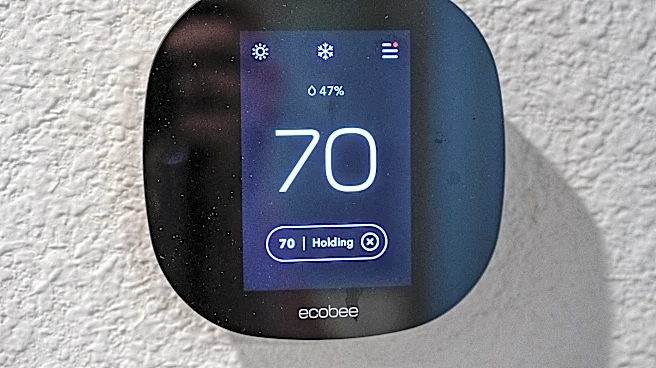
For U.S. homeowners, the ecobee Smart Thermostat Premium and the Google Nest Learning Thermostat (4th gen) are identified as the top choices for most homes in 2026. The ecobee Premium is particularly recommended for those desiring remote sensors and detailed
heat pump settings, while the Nest Learning Thermostat is favored for its automatic scheduling capabilities. Budget-conscious consumers with simpler HVAC systems may find Sensi or Amazon Smart Thermostats suitable. Compatibility with existing HVAC systems and wiring is crucial, with a missing C-wire being a common but often solvable issue. Professional installation is advised for complex systems like heat pumps, dual-fuel setups, or multi-stage equipment to ensure optimal performance and energy savings. Savings from smart thermostats primarily stem from effective scheduling, geofencing, and sensor-based adjustments, rather than the device itself. Many utilities offer rebates for smart thermostat installations, further incentivizing adoption.
Why It's Important?
The increasing adoption of smart thermostats in U.S. homes signifies a growing trend towards energy efficiency and smart home integration. This shift has significant implications for energy consumption patterns, potentially leading to reduced household energy bills and a decreased load on the national power grid, especially during peak demand periods. The emphasis on professional installation for complex HVAC systems highlights the critical role of skilled technicians in maximizing the benefits of these technologies, creating job opportunities and specialized training needs within the HVAC industry. For consumers, choosing the right smart thermostat can lead to substantial long-term savings and improved home comfort, but incorrect installation or incompatible systems can negate these benefits. The availability of utility rebates also makes these technologies more accessible, promoting wider adoption and contributing to broader energy conservation goals across the country.
What's Next?
Homeowners considering a smart thermostat upgrade should first assess their current HVAC system type and wiring, particularly checking for a C-wire. Taking photos of existing thermostat wiring and furnace labels can aid in determining compatibility. For complex systems like heat pumps or dual-fuel setups, consulting an HVAC technician for installation and configuration is highly recommended to ensure the thermostat controls the equipment as designed. The market is likely to see continued innovation in smart thermostat features, including enhanced sensor capabilities, more sophisticated learning algorithms, and deeper integration with various smart home platforms. As energy costs remain a concern, the demand for these devices is expected to grow, potentially leading to more competitive pricing and a wider array of options for different budgets and system types. Utilities will likely continue to offer incentives to encourage adoption, aligning with energy conservation initiatives.
Beyond the Headlines
The evolution of smart thermostats goes beyond mere temperature control; it represents a fundamental shift in how homeowners interact with their living spaces and manage resources. These devices are becoming central hubs for home energy management, offering insights into consumption patterns and enabling more informed decisions. The integration with voice assistants and other smart home platforms points towards a future of highly automated and interconnected homes, where various systems work in concert to optimize comfort, security, and efficiency. This trend also raises questions about data privacy and cybersecurity, as these devices collect and transmit sensitive information about household routines. Furthermore, the push for energy efficiency through smart technology could influence building codes and construction practices, encouraging the development of 'smarter' and more sustainable homes from the ground up. The long-term impact could be a significant reduction in residential carbon footprints and a more resilient energy infrastructure.