


What's Happening?
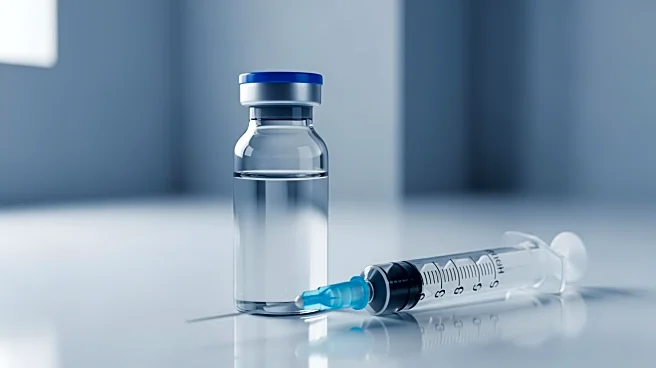
The Centers for Disease Control and Prevention (CDC) has reported that the flu vaccine's effectiveness this season was among the lowest in over a decade, with rates between 25% to 30% for adults and 40% for children. The mismatch between the vaccine and a new
flu strain, subclade K, contributed to the vaccine's reduced effectiveness. Despite this, flu activity has been declining, with fewer states reporting high flu activity. The CDC data also indicates a slight increase in adult vaccination rates, while children's vaccination rates remain similar to last year. The flu season saw at least 27 million illnesses, 350,000 hospitalizations, and 22,000 deaths, with 101 child fatalities, 85% of whom were not fully vaccinated.
Why It's Important?
The low effectiveness of the flu vaccine underscores the challenges in predicting and matching vaccine strains to circulating viruses. This situation highlights the need for ongoing research and development to improve vaccine efficacy. Despite the low effectiveness, vaccination remains crucial in preventing severe illness and death, particularly among vulnerable populations. The CDC's findings may influence future vaccine development strategies and public health policies, emphasizing the importance of vaccination even when effectiveness is suboptimal.
What's Next?
Preparations for the next flu season are underway, with the World Health Organization recommending strains for the 2026-27 vaccines, including subclade K. The U.S. Food and Drug Administration has endorsed these recommendations, aiming to improve vaccine effectiveness. Public health officials may continue to advocate for vaccination and monitor flu activity to mitigate the impact of future outbreaks.