





What's Happening?
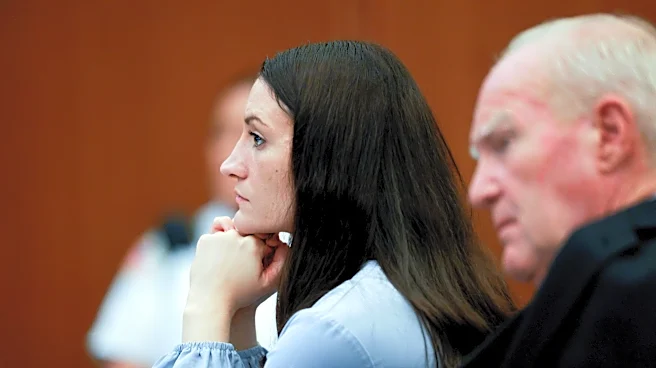
The trial of Lindsay Clancy, accused in a high-profile case involving the death of her children, continues with testimonies from law enforcement and mental health professionals. Sergeant Dan Lawler of the Massachusetts State Police testified about his
involvement in the investigation, detailing the collection of evidence and interactions with Clancy at the hospital. The trial also featured testimony from Latiesha Dukes, a mental health counselor, who discussed Clancy's mental health assessments and treatment history. Dukes provided insights into Clancy's mental state, noting her reports of anxiety, depression, and passive suicidal ideation, but no active plans for self-harm.
Why It's Important?
This trial is significant as it addresses complex issues of mental health in the context of criminal proceedings. The testimonies highlight the challenges in assessing mental health conditions and their implications for legal responsibility. The case has drawn public attention to the intersection of mental health and the justice system, raising questions about the adequacy of mental health support and the role of such conditions in criminal behavior. The outcome could influence future legal standards and mental health protocols in similar cases.
What's Next?
The trial is expected to continue with further testimonies from medical and legal experts. The defense may present additional evidence to support claims of Clancy's mental health struggles. The court's decision will be closely watched, as it may set precedents for how mental health issues are considered in criminal cases. Public and legal discourse around the trial could lead to calls for policy changes in mental health care and legal practices.