
What's Happening?
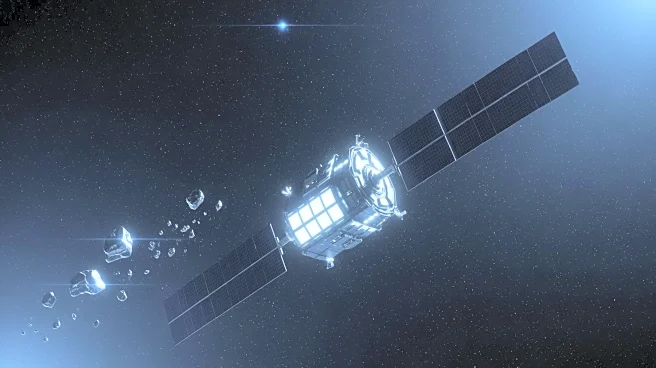
A SpaceX Starlink satellite suffered an anomaly in orbit, leading to a loss of communication and a partial breakup. The incident resulted in the venting of the propulsion tank and the release of debris,
as reported by SpaceX. The satellite, which was orbiting at an altitude of 260 miles, is now tumbling and expected to reenter Earth's atmosphere, posing no risk to the International Space Station. SpaceX is collaborating with NASA and the U.S. Space Force to monitor the debris and is deploying software updates to prevent similar events in the future.
Why It's Important?
This incident highlights the challenges of managing space debris and the risks associated with the growing number of satellites in orbit. As the largest satellite constellation operator, SpaceX's handling of the situation is crucial for maintaining space safety and preventing potential collisions. The event underscores the need for robust space traffic management and international cooperation to address the increasing threat of space debris, which could impact satellite operations and space exploration efforts.
What's Next?
SpaceX is expected to continue working on improving the safety and reliability of its satellite operations. The company may implement additional measures to enhance satellite resilience and prevent future anomalies. This incident could also prompt regulatory bodies to review and update guidelines for satellite operations and debris management. The broader space industry may see increased collaboration to develop solutions for space debris mitigation and ensure the sustainability of space activities.