







What's Happening?
Pennsylvania is experiencing a growing demand for food assistance, with food banks and agencies reporting continued increases in need. This surge is attributed to rising food and gas prices, tariffs, and a reduction in federal and state food assistance benefits.
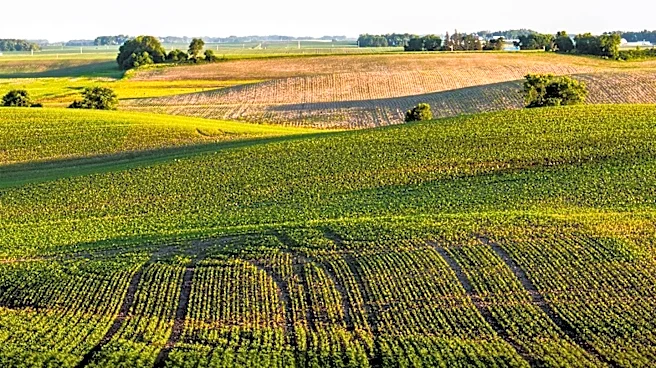
Mel Curtis, head of the Centre County YMCA anti-hunger program, highlights that food insecurity affects a broad spectrum of the population, not solely those in poverty, and is prevalent in both rural and urban areas, including State College. Compounding this issue is the substantial loss of agricultural land in Pennsylvania; between 2017 and 2023, the state lost 200,000 acres of farmland, according to USDA census data. This reduction in agricultural capacity directly impacts the food supply chain, which is a critical concern for organizations striving to meet the escalating demand for food.
Why It's Important?
The combination of increased food insecurity and significant farmland loss in Pennsylvania poses a critical challenge to the state's food supply and public welfare. The decline in agricultural land directly threatens the capacity to produce food locally, which could lead to greater reliance on external food sources and potentially higher food costs for consumers. For food banks and assistance agencies, this means a more difficult environment to secure adequate supplies to meet the rising demand from vulnerable populations. The situation underscores a broader economic and social issue where essential resources are diminishing while the need for them grows. This trend could exacerbate existing inequalities and place additional strain on state and local support systems, impacting the overall economic stability and health of communities across Pennsylvania.
What's Next?
The ongoing loss of farmland and increasing demand for food assistance suggest a future where Pennsylvania may face significant challenges in ensuring food security for its residents. Officials anticipate a scenario where a growing population and higher demand for food will clash with reduced agricultural production capacity. This could necessitate new strategies for food procurement, distribution, and support for agricultural sectors. Stakeholders, including government bodies, agricultural organizations, and anti-hunger programs, will likely need to collaborate on solutions to mitigate the impact of these trends. Potential actions could include initiatives to preserve farmland, invest in sustainable agricultural practices, and enhance funding and resources for food assistance programs to address the 'hidden hunger' identified by Mel Curtis.
Beyond the Headlines
The situation in Pennsylvania points to a deeper, systemic issue concerning the balance between land development and agricultural preservation, and its direct link to food security. The loss of farmland to other uses, such as data centers, reflects competing priorities for land resources. This trend raises ethical questions about land use planning and the long-term sustainability of local food systems. Culturally, a decline in local agriculture can also impact community identity and traditional practices. The challenge extends beyond immediate hunger relief to the fundamental question of how society values and protects its agricultural base as a cornerstone of public health and economic resilience. Addressing this will require a holistic approach that considers environmental, economic, and social dimensions.