






What's Happening?
An experimental topical treatment, RLS-1496, developed by Rubedo Life Sciences, a biotechnology company based in Mountain View, California, has shown promising results in an early human trial. The study indicated that daily use of the cream for four weeks
led to an average reduction of 2.1 years in measured epigenetic skin age. This estimate is based on age-related changes in DNA. The treatment was initially tested in patients with eczema and other skin conditions. Rubedo CEO Dr. Frederick Beddingfield highlighted that this is one of the few drugs developed for aging, utilizing artificial intelligence, to demonstrate positive data in humans across multiple indications and a reduction in skin age. The findings also reported a 10% increase in a type of collagen that supports the skin and lower levels of several inflammation markers in blood tests. These preliminary findings have been presented at a scientific conference but are not yet published as a full peer-reviewed study.
Why It's Important?
The early success of RLS-1496 in reducing biological skin age represents a significant development in the field of anti-aging and dermatology. If these findings are substantiated in larger, peer-reviewed studies, it could revolutionize the approach to skin aging, moving beyond cosmetic improvements to target the underlying biological mechanisms. For the U.S. healthcare and beauty industries, this could open up a new market for therapeutic anti-aging products, potentially shifting focus from symptomatic treatment to preventative or restorative cellular interventions. Patients suffering from skin conditions like eczema, for whom the cream was initially tested, could also benefit from its anti-aging properties. The involvement of AI in its development underscores the growing role of advanced technology in pharmaceutical research, potentially accelerating the discovery of new treatments. However, the preliminary nature of the study and its small sample size mean that further rigorous testing is crucial before its full impact can be assessed.
What's Next?
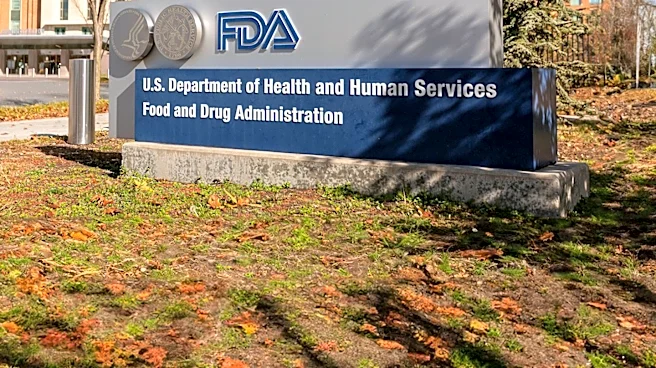
Rubedo Life Sciences plans to conduct further investigations into RLS-1496, with the next trial expected to involve several months of treatment to assess the persistence of the observed changes. The company is also testing the treatment for other skin issues, including actinic keratosis, where an early-stage study showed a 49% average reduction in lesions. Additionally, an early-stage trial for androgenetic alopecia (pattern hair loss) is commencing. Dr. Beddingfield estimates that potential FDA approval for RLS-1496 is approximately three to four years away, contingent on the success of larger clinical trials. The scientific community will be awaiting the publication of these findings in a full peer-reviewed study for further validation. The company will need to address the limitations of the current study, such as the small sample size and the focus on biological markers rather than visible improvements, in future research.
Beyond the Headlines
The development of RLS-1496 touches upon deeper implications regarding the societal perception of aging and the pursuit of longevity. By targeting cellular aging rather than just its outward effects, this experimental cream could contribute to a paradigm shift in how we understand and combat the aging process. The concept of 'biological age' reduction, if proven effective and safe, could lead to broader applications beyond skin, potentially influencing research into systemic anti-aging therapies. Ethically, the widespread availability of such treatments could raise questions about equitable access and the potential for exacerbating existing societal inequalities. Furthermore, the integration of AI in drug development, as seen with RLS-1496, highlights a future where artificial intelligence plays an increasingly central role in medical breakthroughs, accelerating the pace of discovery and potentially leading to more personalized and effective treatments.