
What's Happening?
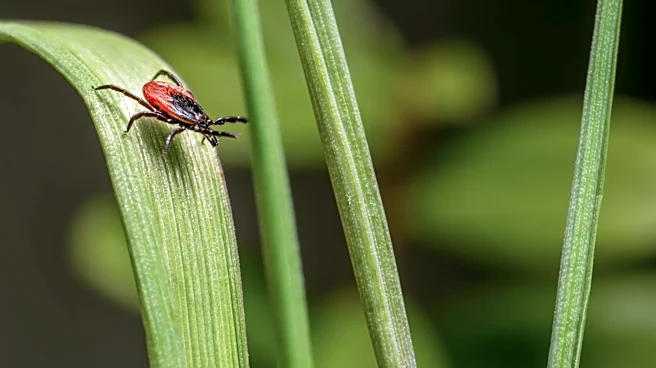
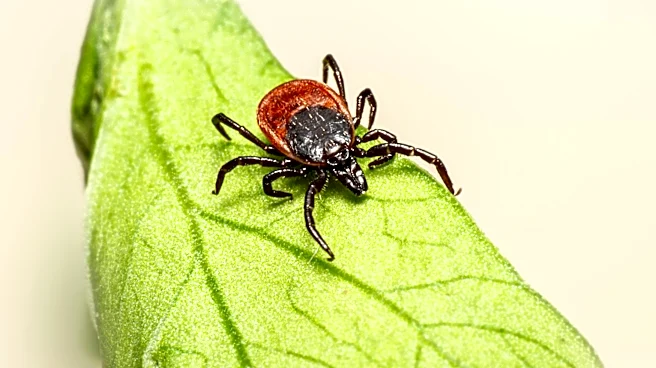
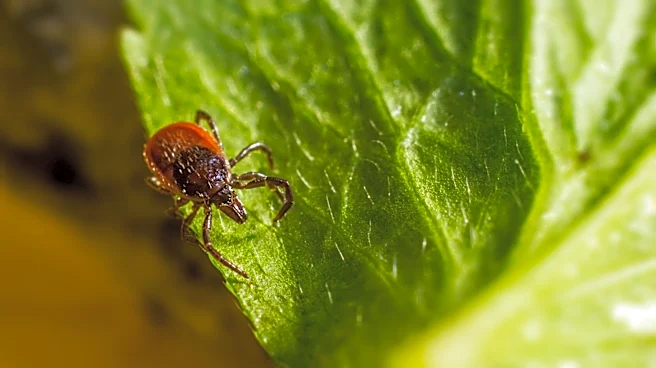
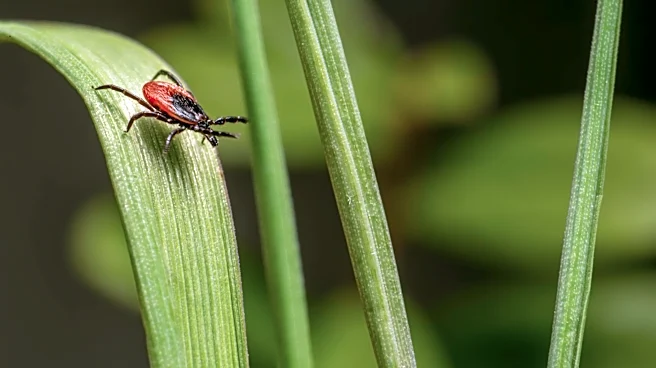
Consumer Reports has highlighted the increasing spread of ticks and the illnesses they carry, emphasizing the importance of protecting oneself not only in wooded areas but also in residential backyards.
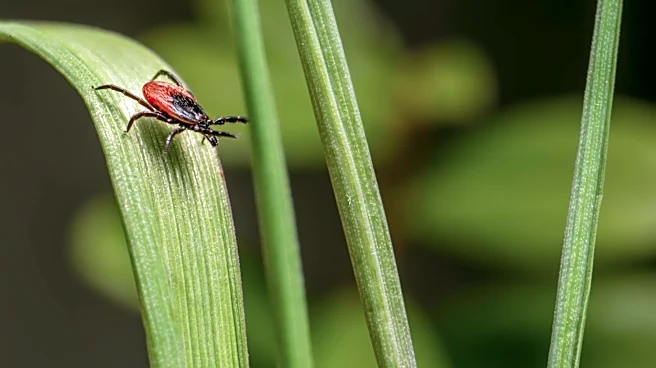
Ticks thrive in cool, shady areas, often found in tall grass and damp spots. To mitigate the risk, Consumer Reports suggests maintaining grass at a height of about 3 inches, which discourages ticks while preserving lawn health. Additionally, trimming tall grasses and weeds, especially near walkways and play areas, and clearing yard debris can reduce tick habitats. For properties adjacent to wooded areas, creating a three-foot barrier of dry wood chips or gravel can help prevent ticks from migrating into yards. The presence of deer and mice, which can carry ticks, should also be managed by using tall fences and bait boxes that target ticks without harming the animals. Consumer Reports advises using insect repellents with EPA-registered ingredients like DEET, oil of lemon eucalyptus, or picaridin for personal protection.
Why It's Important?
The spread of ticks and tick-borne illnesses poses a significant public health concern, as these pests can transmit diseases such as Lyme disease. By implementing preventive measures in residential areas, homeowners can reduce the risk of tick exposure and the associated health risks. This is particularly important as ticks are not confined to rural or forested areas but can also be found in suburban and urban settings. Effective yard management can help protect families and pets from tick bites, thereby reducing the incidence of tick-borne diseases. The advice from Consumer Reports provides practical steps that can be easily adopted by homeowners, contributing to broader public health efforts to control tick populations and prevent disease transmission.
What's Next?
Homeowners are encouraged to assess their yards and implement the recommended measures to reduce tick habitats. As awareness of tick-borne illnesses grows, there may be increased demand for professional pest control services and products designed to manage tick populations. Public health campaigns could also focus on educating communities about the importance of yard maintenance and personal protection to prevent tick bites. Additionally, ongoing research into tick control methods and disease prevention strategies will likely continue, potentially leading to new recommendations and technologies for managing tick populations effectively.