









What's Happening?
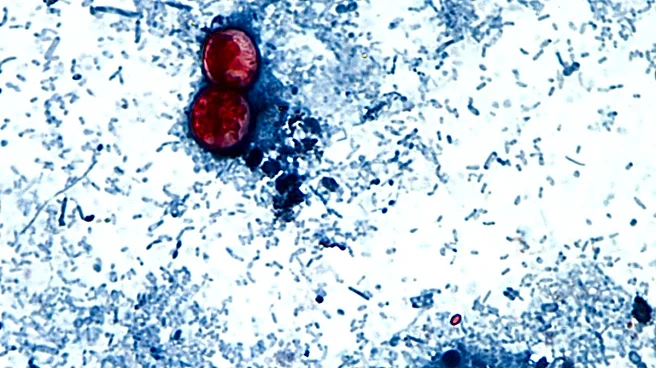
A significant outbreak of cyclosporiasis, a parasitic illness causing severe gastrointestinal symptoms, is affecting over 1,000 individuals across 31 states in the U.S. Traditionally linked to contaminated produce, experts are now considering water as a potential
vector for the parasite. The cyclospora parasite, known for its resilience against chlorine, poses challenges for detection and eradication in water supplies. Recent heavy rainfall and flooding in states like Michigan and Ohio have exacerbated concerns, as these conditions can lead to sewage overflow and potential contamination of water sources. The Centers for Disease Control and Prevention (CDC) and the Food and Drug Administration (FDA) are investigating the outbreak, but current surveillance and data collection methods may be insufficient to fully understand the transmission dynamics of cyclospora.
Why It's Important?
The outbreak highlights vulnerabilities in the U.S. public health system, particularly in tracking and managing waterborne pathogens. The potential for water to serve as a conduit for cyclospora underscores the need for improved surveillance and research into water-based transmission routes. This situation could have significant implications for public health policy, as it challenges existing assumptions about the sources of foodborne illnesses and the effectiveness of current water treatment protocols. The economic impact could be substantial, affecting agricultural practices, water management policies, and public health resources. Communities in affected areas may face increased health risks and economic burdens, particularly if water supplies are compromised.
What's Next?
Public health agencies may need to enhance their focus on water quality monitoring and invest in research to better understand the environmental behavior of cyclospora. This could involve comprehensive studies of water systems, including rivers and streams that receive wastewater discharge. The FDA and CDC might revise their outbreak investigation protocols to include more detailed questions about water exposure. Additionally, there could be increased advocacy for infrastructure improvements to prevent sewage overflows and protect water sources. Stakeholders, including local governments and agricultural sectors, may need to collaborate on strategies to mitigate the risk of waterborne transmission.
Beyond the Headlines
The outbreak raises ethical and legal questions about the responsibility of public health agencies to protect citizens from emerging threats. It also highlights the need for transparency and communication with the public regarding potential risks and safety measures. Long-term, this situation could drive innovation in water treatment technologies and influence regulatory changes aimed at safeguarding public health. The recognition of cyclospora as a potentially endemic pathogen in the U.S. may lead to a reevaluation of import regulations and domestic agricultural practices.