







What's Happening?
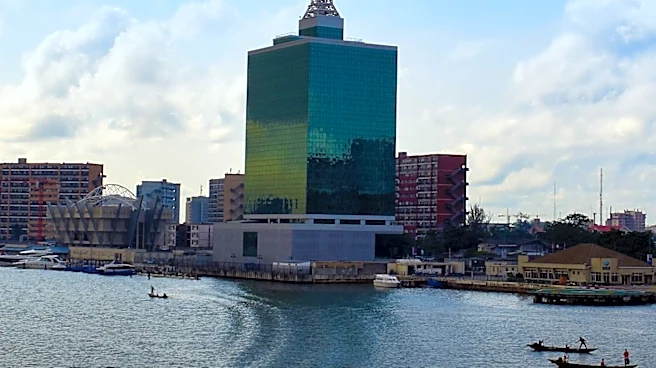
Lagos, Nigeria, is facing an escalating demand for rental properties, positioning itself as the epicenter of housing demand in Africa. The city's limited landmass of 3,577 square kilometers, with one-third covered by water, contributes to a housing deficit
estimated at over 3.3 million units, particularly in the middle-income and affordable housing sectors. With a metropolitan population exceeding 20 million and growing at nearly 3.8 percent annually, Lagos is a primary destination for rural-urban migration. Its status as Nigeria's economic hub, concentrating industries like finance, technology, entertainment, logistics, and trade, attracts thousands of workers seeking job opportunities. These new residents typically prefer rental accommodations close to their workplaces, further intensifying rental demand. Reports indicate that 80 percent of Lagos residents live in rented housing, often spending over 50 percent of their income on rent. The Lagos State government acknowledges this challenge and has committed to providing decent and affordable shelter, with various agencies and initiatives in place to address the housing shortage.
Why It's Important?
The intense rental demand in Lagos highlights significant socio-economic pressures and opportunities within Nigeria's most populous city. For developers and investors, the high demand presents lucrative opportunities for real estate development, particularly in the rental market. However, for the majority of residents, the surge in rental prices, with some areas experiencing increases of up to 200 percent over the past two years, makes homeownership increasingly unattainable. This situation exacerbates the affordability crisis, forcing a larger portion of income towards housing and potentially reducing disposable income for other essential needs. The government's commitment to providing affordable housing is crucial to mitigate social unrest and ensure sustainable urban development. Failure to adequately address the housing deficit could lead to increased informal settlements, strain public services, and hinder the city's overall economic productivity by impacting the quality of life for its workforce.
What's Next?
The Lagos State government is actively pursuing various housing initiatives to alleviate the rental crisis. The Ministry of Housing, along with agencies like the Lagos State Development and Property Corporation (LSDPC), Lagos State Mortgage Board (LMB), and Lagos State Real Estate Regulatory Authority (LASRERA), are implementing plans and strategies. In recent years, the administration has completed 23 housing estates, delivering over 10,623 housing units through direct budgetary funding and Public-Private Partnerships (PPP). Several ongoing housing schemes, such as the Egan-Igando Mixed Housing Scheme, LagosHOMS Sangotedo Phase 2, Epe Housing Scheme, LagosHOMS Ibeshe Phase 2, and Workers’ Village Ipaja, are projected to be completed by the end of 2026. These projects aim to increase the housing stock and provide more affordable options for residents. Continued investment in infrastructure and regulatory frameworks will be essential to manage the rapid urbanization and ensure equitable access to housing.
Beyond the Headlines
The housing crisis in Lagos extends beyond mere supply and demand, touching upon broader issues of urban planning, income inequality, and sustainable development. The high rent-to-income ratio, significantly exceeding the United Nations' 30 percent benchmark, indicates a deep-seated structural problem where economic growth is not translating into improved living standards for many. This situation could lead to increased social stratification, with a growing divide between those who can afford decent housing and those who cannot. Furthermore, the concentration of economic opportunities in Lagos, while driving migration, also puts immense pressure on its limited resources and infrastructure. Long-term solutions will require comprehensive urban planning that includes decentralization of economic activities, investment in satellite cities, and policies that promote inclusive growth to ensure that the benefits of urbanization are shared more equitably across the population.