





What's Happening?
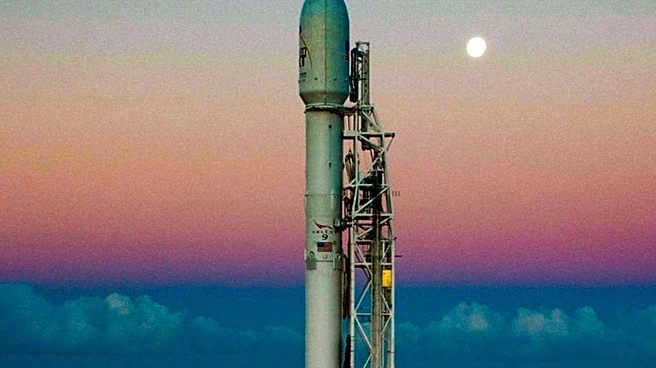
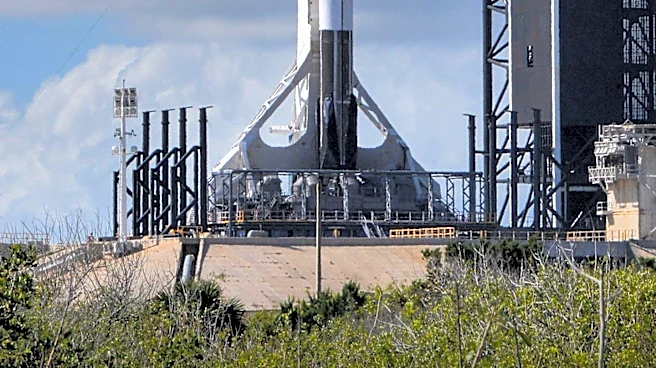
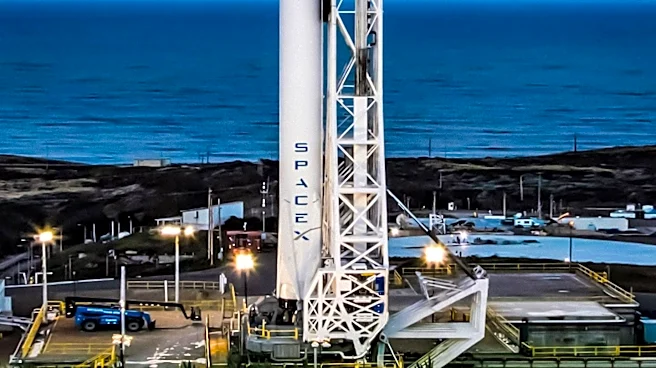
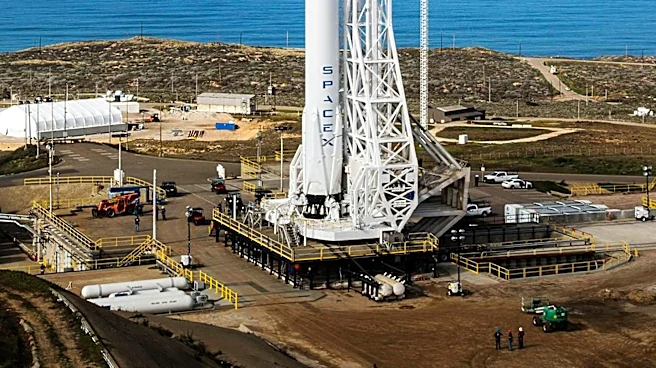
This week marks a significant period for space exploration with multiple launches scheduled. SpaceX is set to launch several missions, including the Starlink Group 17-39 mission from Vandenberg Space Force Base and the Starship Flight 13 from Starbase,
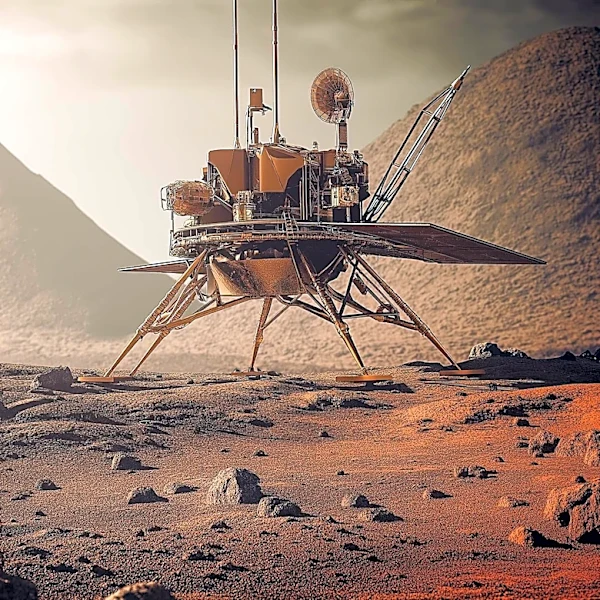
Texas. The Starship mission aims to deploy new Starlink V3 satellites and achieve a successful splashdown, following a previous attempt that ended with a booster crash. Northrop Grumman is also launching its Mission Robotic Vehicle (MRV-1) from Cape Canaveral, designed to service satellites in geosynchronous orbit. This vehicle can inspect, repair, and upgrade satellites, extending their operational life. Additionally, Chinese firms Orienspace and CAS Space are launching rockets with undisclosed payloads, contributing to a globally busy week in space activities.
Why It's Important?
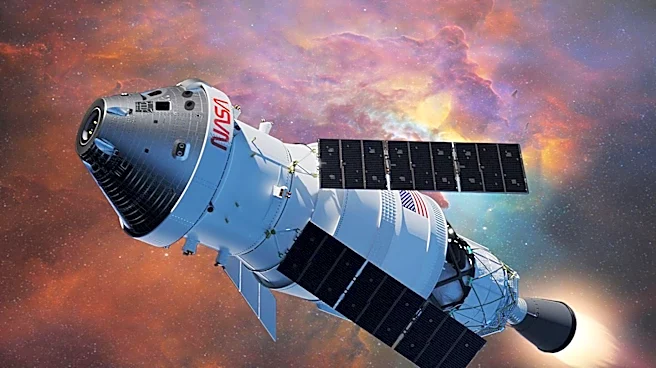
These launches underscore the growing role of private companies in space exploration and satellite servicing. SpaceX's continued deployment of Starlink satellites is crucial for expanding global internet coverage, while the success of the Starship program is vital for NASA's Artemis program, which aims to establish a permanent lunar base. Northrop Grumman's MRV-1 represents a significant advancement in satellite maintenance technology, potentially reducing the need for new satellite launches by extending the life of existing ones. This could lead to cost savings and reduced space debris. The involvement of Chinese companies highlights the international competition and collaboration in space technology, which could drive further innovations and partnerships.
What's Next?
Following these launches, SpaceX plans to continue its Starlink missions, with another launch scheduled from Vandenberg. The success of the Starship Flight 13 will be closely monitored as it impacts future missions under NASA's Artemis program. Northrop Grumman's MRV-1 will begin its operational phase, potentially setting a new standard for satellite servicing. The outcomes of these missions could influence future investments and strategies in the space industry, as companies and governments assess the viability and benefits of on-orbit servicing and reusable launch systems.