






What's Happening?
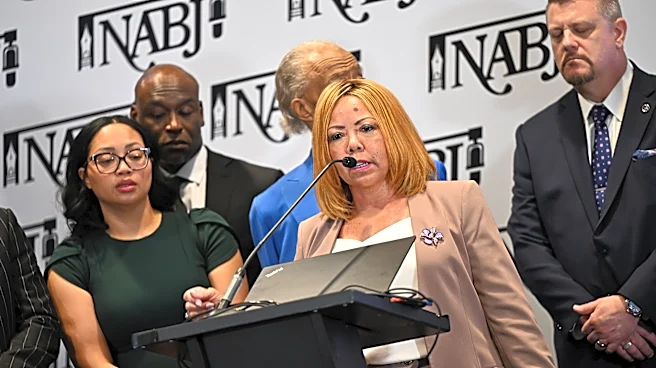
The National Association of Black Journalists (NABJ) has settled a breach-of-contract lawsuit with Elise Durham, whose selection as executive director was nullified after new leadership took office. Durham had sought $613,987 in severance, plus other
costs, following the rescission of her three-year employment contract. NABJ President Errin Haines confirmed the settlement but stated that the organization would not disclose the financial details to its membership. The lawsuit stemmed from a decision by the new NABJ board, under President Haines, to rescind Durham's contract, which had been signed by the previous president, Ken Lemon, without a full board vote. Durham, who previously served as communications director for Atlanta mayors, including Andre Dickens, has since launched her own company, The Creative Exchange, and is leading communications for Governor-elect Keisha Lance Bottoms' transition.
Why It's Important?
This settlement is significant for the NABJ as it resolves a contentious legal dispute that had cast a shadow over the organization. The lawsuit highlighted internal governance issues within the NABJ, particularly concerning the process of executive appointments and board oversight. The decision not to disclose the settlement amount to members raises questions about transparency and accountability within the organization, which could impact member trust and future leadership decisions. For Elise Durham, the settlement allows her to move forward with new professional endeavors, including her role with Governor-elect Bottoms, demonstrating resilience after an unexpected career setback. The incident underscores the importance of clear contractual agreements and robust governance structures within professional organizations to prevent similar disputes and maintain organizational integrity.
Beyond the Headlines
The NABJ settlement with Elise Durham extends beyond a simple legal resolution, touching upon broader themes of professional ethics, organizational transparency, and the challenges faced by individuals in leadership transitions. The dispute, which involved a contract signed without full board approval, highlights potential vulnerabilities in governance that can lead to significant financial and reputational costs. The lack of transparency regarding the settlement amount, while potentially legally mandated, could fuel internal discussions about accountability and member rights within the NABJ. This case also reflects the personal and professional impact of such disputes on individuals like Durham, who, despite the setback, has successfully pivoted to new leadership roles. It serves as a cautionary tale for other professional associations regarding the critical need for clear, democratic processes in executive appointments and financial management.