






What's Happening?
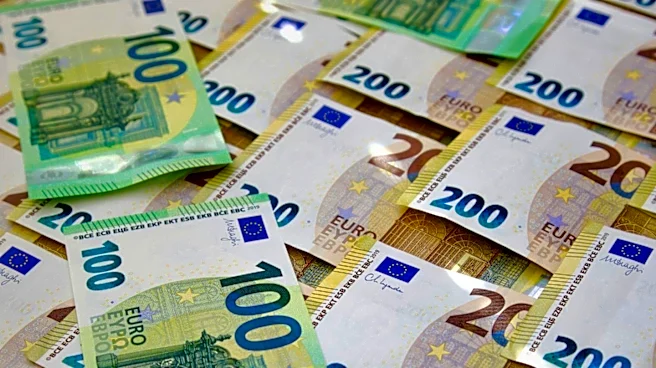
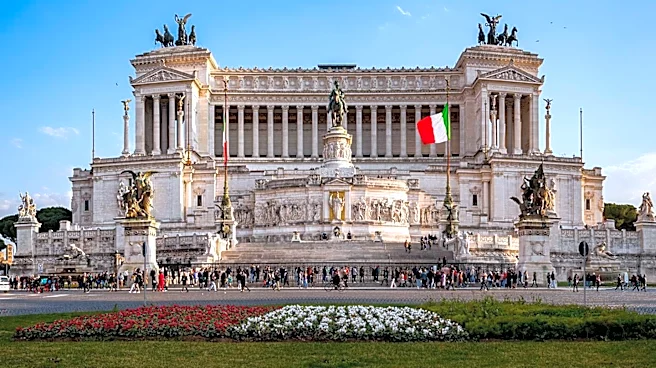
Italy, a founding member of the European Union, the eurozone, and the G7, is currently navigating a period of modest economic growth. With a population of approximately 59 million, its economy ranks as the third-largest in the EU and eighth-largest globally.
Projections indicate a growth rate of around 0.4-0.8% for the upcoming period. The nation is actively addressing significant economic challenges, including the management of its substantial public debt and the adherence to fiscal discipline mandated by EU regulations. Furthermore, Italy is in the process of implementing various reforms under its National Recovery and Resilience Plan. The country's economy is diverse, encompassing strong sectors such as manufacturing, fashion, automotive production, and a robust tourism industry. Italy maintains extensive trade partnerships, primarily within Europe.
Why It's Important?
The economic trajectory of Italy holds significant implications for the broader European and global financial landscape. As a major player in the EU and G7, its economic stability directly influences regional economic health and investor confidence. The challenges of public debt and fiscal discipline are critical, as failure to manage these could trigger wider economic instability within the eurozone. The success of the National Recovery and Resilience Plan is vital for Italy's long-term economic vitality, potentially serving as a model or cautionary tale for other nations facing similar post-pandemic recovery efforts. The diversity of its economy, from high-value manufacturing to tourism, means that both internal policies and external market conditions have a broad impact on various industries and employment sectors, affecting both domestic and international stakeholders.
What's Next?
Italy is expected to continue its focus on implementing the reforms outlined in its National Recovery and Resilience Plan, which are crucial for addressing structural economic issues and fostering sustainable growth. The government will likely prioritize strategies to reduce public debt while maintaining compliance with EU fiscal rules. This may involve a combination of spending reviews, revenue-generating measures, and efforts to enhance economic competitiveness. Monitoring the effectiveness of these reforms will be key, as their success could influence future policy decisions and investment flows. The tourism sector, a significant contributor to the Italian economy, will also be closely watched for its recovery and adaptation to evolving global travel patterns, potentially leading to new initiatives to attract visitors and support local businesses.
Beyond the Headlines
Beyond the immediate economic indicators, Italy's efforts to balance growth with fiscal responsibility touch upon deeper societal and political considerations. The implementation of reforms can lead to shifts in labor markets, social welfare programs, and regional development, potentially impacting different segments of the population unevenly. The cultural significance of Italy, with its 60 UNESCO World Heritage Sites, also plays a role in its economic narrative, particularly in the tourism sector. Preserving this rich heritage while promoting modern economic development presents a unique challenge. The ongoing dialogue between national economic priorities and EU mandates also highlights the complexities of supranational governance and its influence on sovereign economic policy, reflecting broader trends in global economic integration and cooperation.