
What's Happening?
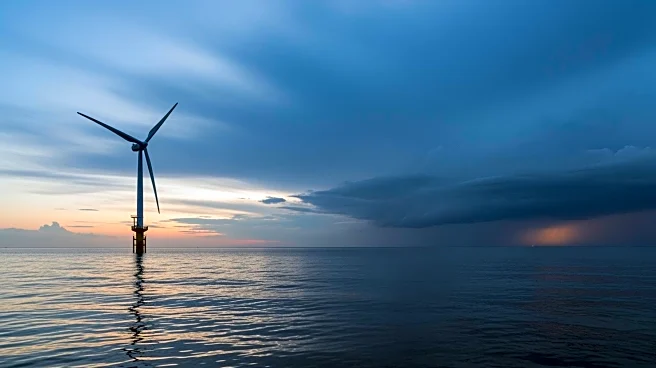
The Trump administration is facing legal challenges related to its energy policies, particularly concerning offshore wind projects. A federal judge ruled that the administration's cancellation of clean
energy grants was unconstitutional, potentially restoring $27.6 million in funding. Additionally, temporary injunctions were granted to offshore wind developers, allowing them to resume projects halted by the administration. The administration's push for an 'emergency' power auction for data centers and its influence on PJM Interconnection's demand forecasts are also under scrutiny. These developments highlight ongoing tensions between federal energy policies and state-level clean energy initiatives.
Why It's Important?
The legal rulings against the Trump administration's energy policies underscore the challenges of balancing federal and state interests in energy development. The restoration of clean energy grants and the resumption of offshore wind projects could boost renewable energy efforts and support economic growth in related sectors. These decisions also reflect broader legal and political battles over the direction of U.S. energy policy, with implications for environmental protection, economic competitiveness, and energy security. The outcomes of these cases could set precedents for future energy policy and regulatory actions.
What's Next?
The administration may continue to face legal challenges as it seeks to implement its energy policies. The outcomes of these cases could influence future regulatory frameworks and investment decisions in the energy sector. Stakeholders, including state governments, environmental groups, and energy companies, are likely to remain active in advocating for policies that align with their interests. The administration's approach to energy policy will likely be a significant topic in political discourse, potentially affecting upcoming elections and legislative priorities.