


What's Happening?
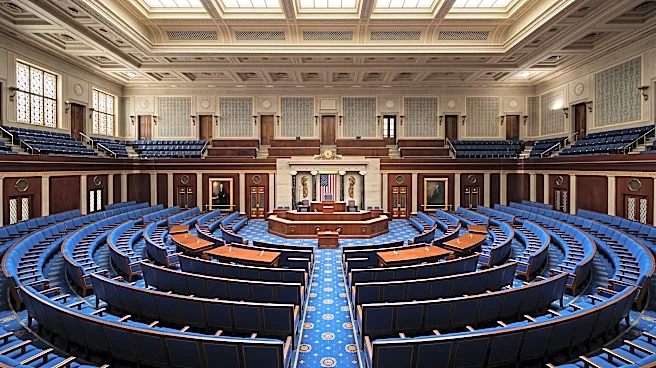
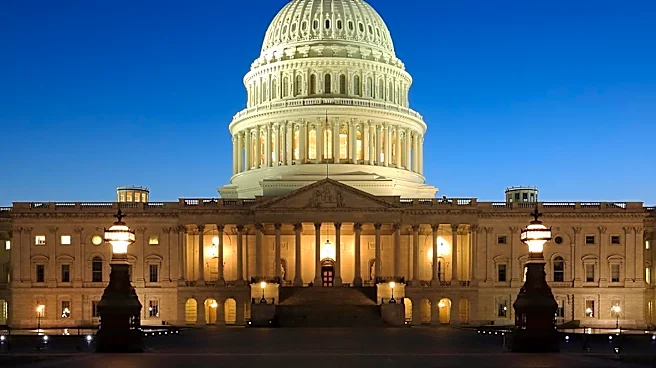
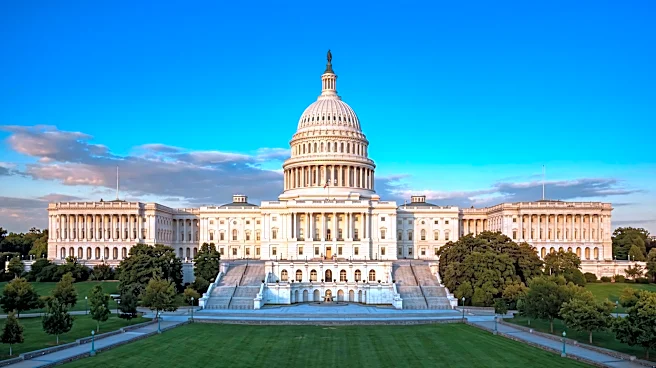
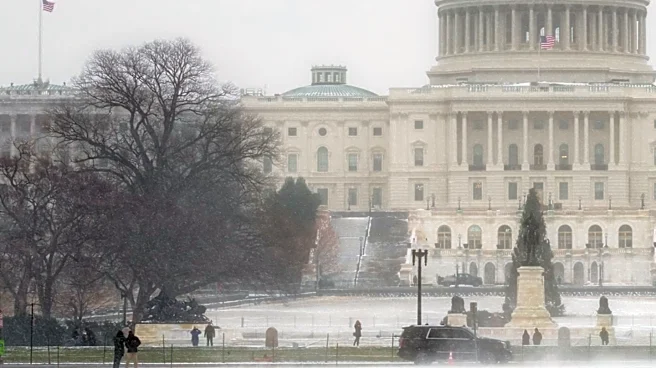
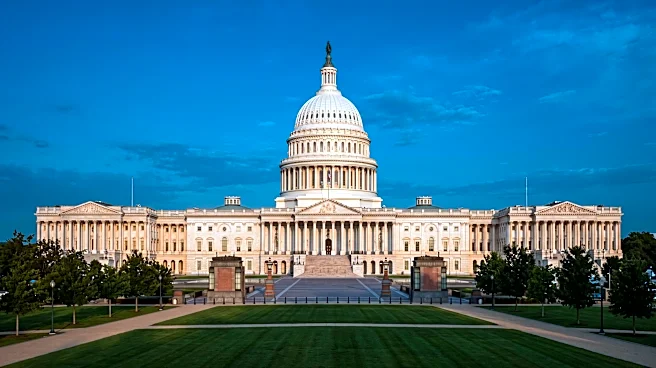
The U.S. Congress has approved a temporary funding measure to keep the federal government operational through December 11, thereby averting an immediate government shutdown. This continuing resolution garnered significant bipartisan support in both the House
of Representatives and the Senate. While this extension provides short-term stability for government services, agricultural organizations are emphasizing that critical issues facing farmers remain unaddressed. Groups like the National Wheat Growers Association (NAWG) highlight ongoing economic challenges for producers, including unpredictable commodity prices, rising production costs, and intense global competition, which are impacting farm profitability and financial stability in rural areas.
Why It's Important?
This temporary funding extension is important because it prevents a disruption of essential government programs and services that farmers rely on, offering immediate relief from the uncertainty of a shutdown. However, its short-term nature underscores a broader challenge for the U.S. agricultural sector. Farmers require long-term policy certainty to make strategic business decisions, as their planning often spans months or even years. The current environment of temporary solutions creates instability, making it difficult for producers to manage risks and plan investments effectively. Without a comprehensive, long-term farm bill, farmers face continued financial pressures from rising input costs for fuel, fertilizer, equipment, and labor. This situation impacts the profitability of farming operations of all sizes and raises concerns about the overall economic health of rural communities, potentially affecting food production and the stability of the agricultural supply chain.
What's Next?
With the temporary funding in place, Congress now has additional time to address unresolved issues before the end of the year. Agricultural groups are expected to intensify their advocacy for a comprehensive, long-term farm bill. This legislation is seen as crucial for establishing an effective farm safety net, strengthening risk management programs, supporting conservation efforts, and enabling farmers to adapt to changing market conditions. Lawmakers will face important decisions regarding federal spending and agricultural policies designed to support the farm economy. Industry leaders will continue to press for policies that provide financial certainty for producers and strengthen the agricultural sector, arguing that consistent federal farm policy is vital for navigating unpredictable weather, market fluctuations, and international competition, ultimately ensuring continued food production across the country.
Beyond the Headlines
The recurring need for temporary funding measures highlights a deeper systemic issue within U.S. governance: the challenge of achieving long-term policy consensus, particularly on complex issues like agriculture. While short-term fixes prevent immediate crises, they can erode confidence and hinder strategic planning within vital sectors. For agriculture, this instability can lead to underinvestment in innovation, delayed adoption of sustainable practices, and increased financial strain on family farms. The debate over the farm bill also touches upon the ethical responsibility of the government to ensure food security and support the livelihoods of those who produce it. The ongoing struggle to pass comprehensive legislation reflects broader political divisions and the difficulty of balancing diverse stakeholder interests, from environmental concerns to economic competitiveness, ultimately impacting the resilience and future direction of American agriculture.