

What's Happening?
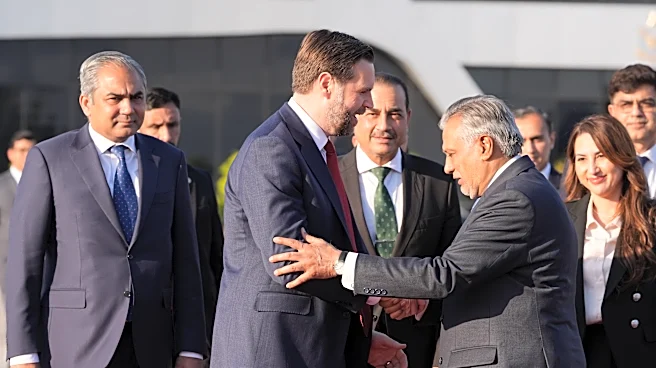
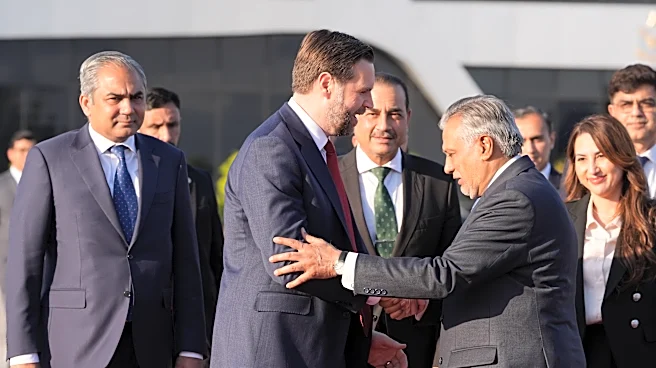
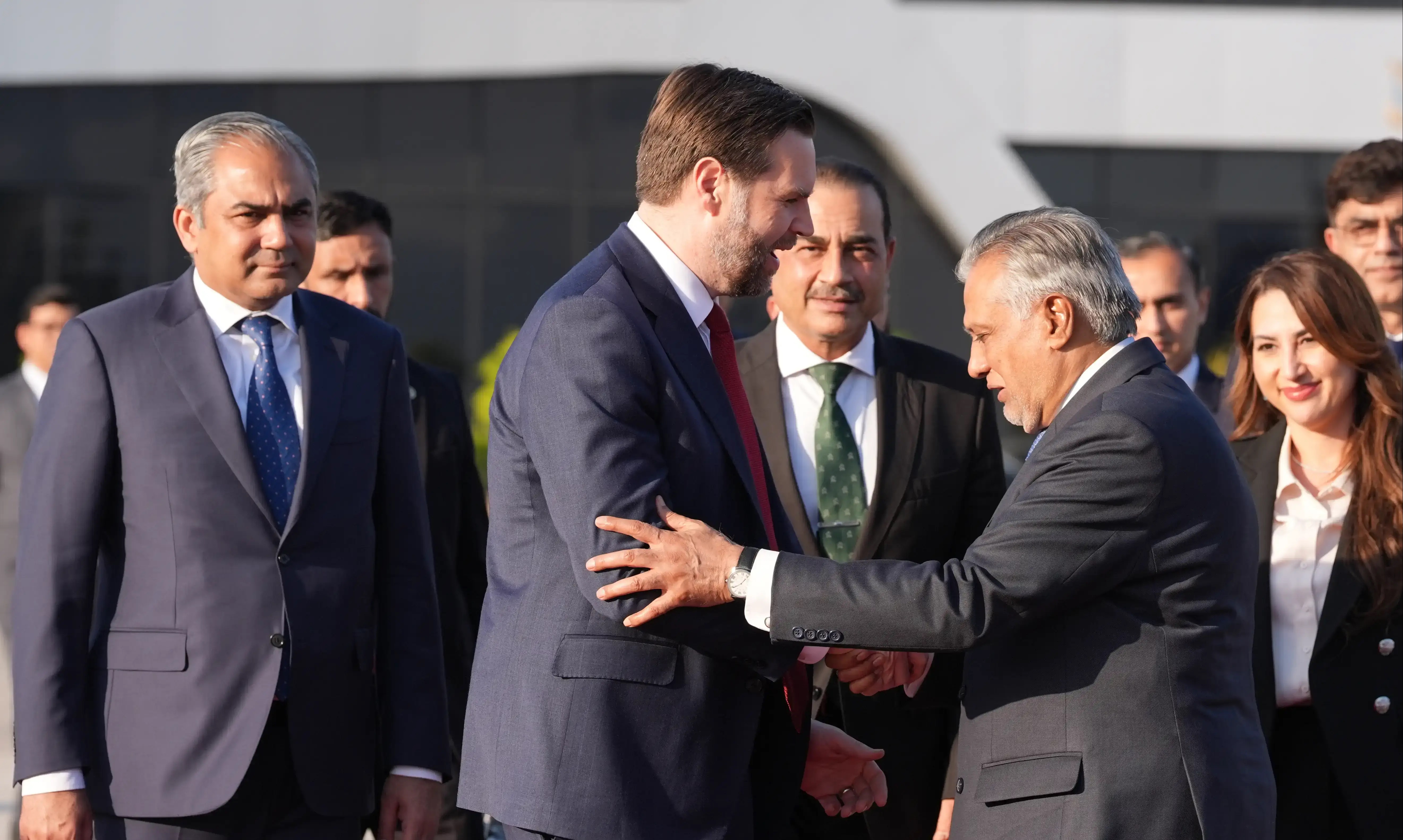
The U.S. Central Command has declared that it will enforce a blockade on vessels entering or leaving Iranian ports, starting Monday. This decision follows a failed peace negotiation between an American delegation, led by JD Vance, and Iranian officials
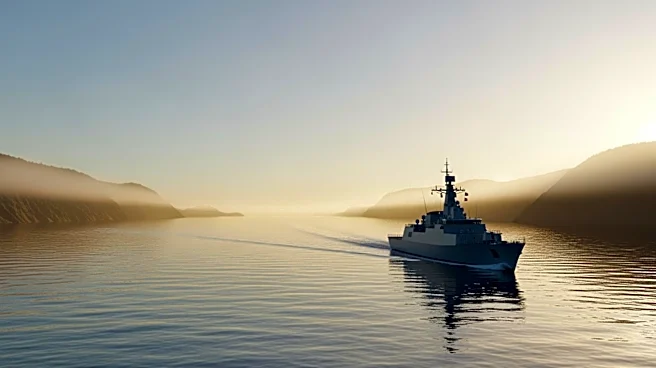
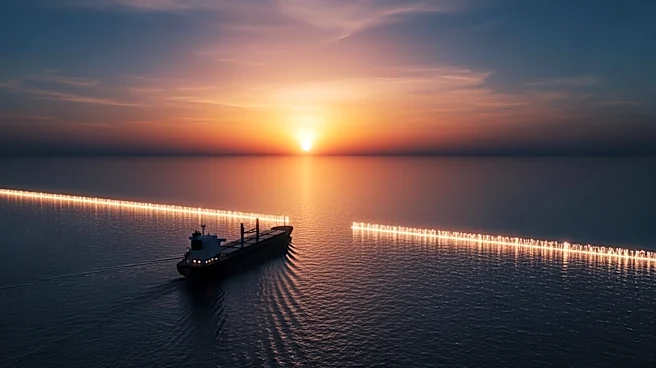
in Pakistan. President Trump announced the blockade of the Strait of Hormuz, a critical maritime passage, as a strategic move after the talks did not yield a peace agreement. The blockade is part of a broader U.S. strategy to exert pressure on Iran amid ongoing geopolitical tensions.
Why It's Important?
The blockade of Iranian ports by the U.S. is a significant escalation in the ongoing tensions between the two nations. The Strait of Hormuz is a vital channel for global oil shipments, and its blockade could have far-reaching implications for international oil markets, potentially leading to increased fuel prices worldwide. This move underscores the fragile state of U.S.-Iran relations and could impact diplomatic efforts in the region. The blockade may also affect global trade routes, leading to economic repercussions for countries reliant on oil imports through this passage.
What's Next?
The international community will be closely monitoring the situation as the blockade is implemented. Potential responses from Iran and other affected nations could include diplomatic protests or calls for negotiations to resolve the standoff. The U.S. may face pressure from allies and global organizations to find a peaceful resolution. The situation could also lead to increased military presence in the region, heightening the risk of conflict. Ongoing diplomatic efforts will be crucial in managing the fallout and preventing further escalation.