



What's Happening?
Major cities across the United States are issuing updated emergency preparedness advice to residents, prompted by a recent series of disruptive events including mass outages and extreme weather. While officials emphasize that the guidance is precautionary
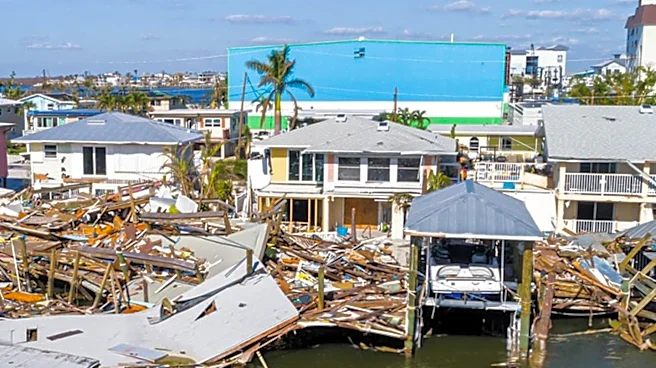
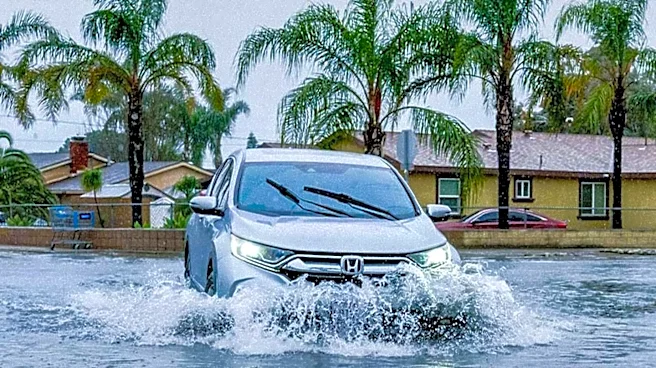
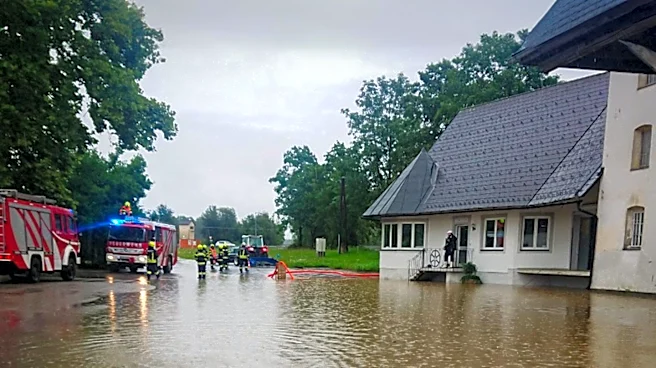
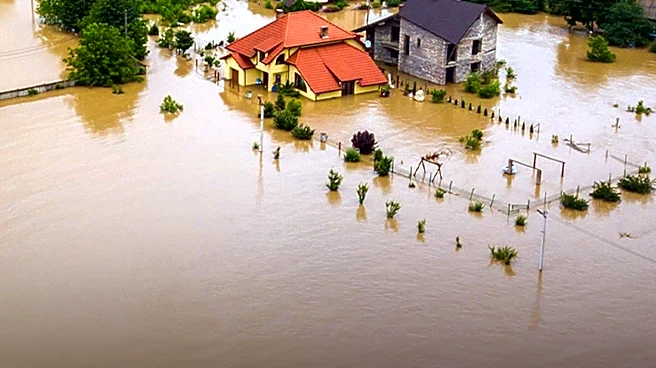
and not a warning of imminent disaster, recent incidents like a Microsoft 365 outage, an FAA telecommunications problem causing flight ground stops, JPMorgan Chase transaction issues, and outages affecting the National Security Agency and Apple services have heightened awareness. These technology disruptions are considered separate incidents and not linked to a coordinated cyberattack. Concurrently, extreme weather, including heavy rain and flooding in California due to a strengthening El Niño, and similar conditions in Florida, further underscore the need for preparedness. The San Francisco Fire Department, for instance, advised residents to assemble emergency kits with three days' worth of food, water, medications, power banks, and identification documents.
Why It's Important?
The renewed focus on emergency preparedness is critical for national resilience, as it addresses a diverse range of threats from technological failures to natural disasters. The interconnectedness of modern infrastructure means that disruptions in one sector, such as telecommunications or financial services, can have cascading effects across the country. By encouraging citizens to prepare, cities aim to reduce the burden on emergency services during crises and empower individuals to be self-sufficient for a period. This proactive approach can mitigate the economic and social impact of emergencies, ensuring quicker recovery and minimizing casualties. The emphasis on basic supplies like food, water, and power banks highlights the fundamental needs that must be met when essential services are compromised.
What's Next?
Emergency officials are expected to continue their public awareness campaigns on preparedness, especially as winter approaches and extreme weather events remain a concern. The messaging will likely focus on general readiness rather than specific threats, given the varied nature of recent disruptions. Utilities, such as Southern California Edison, are also participating in these efforts by providing checklists for preparedness kits and household plans. The ongoing nature of climate change and technological advancements suggests that such preparedness initiatives will become a permanent fixture in urban planning and public safety strategies, aiming to build more resilient communities capable of withstanding a wide array of unforeseen challenges.
Beyond the Headlines
The current wave of emergency preparedness messaging reflects a deeper societal shift towards acknowledging and adapting to an increasingly unpredictable world. The convergence of cyber threats, infrastructure vulnerabilities, and climate-induced extreme weather events creates a complex risk landscape. This situation challenges traditional emergency management paradigms, which often focused on single-point failures or specific natural disasters. The call for individual preparedness also raises questions about equity and access, as not all citizens have the resources to assemble comprehensive emergency kits. This highlights the need for public policy to support vulnerable populations in their preparedness efforts, ensuring that resilience is a collective, rather than solely individual, responsibility. The emphasis on 'trusted sources' also points to the critical role of accurate information dissemination in an age of rapid, often speculative, news cycles.