



What's Happening?
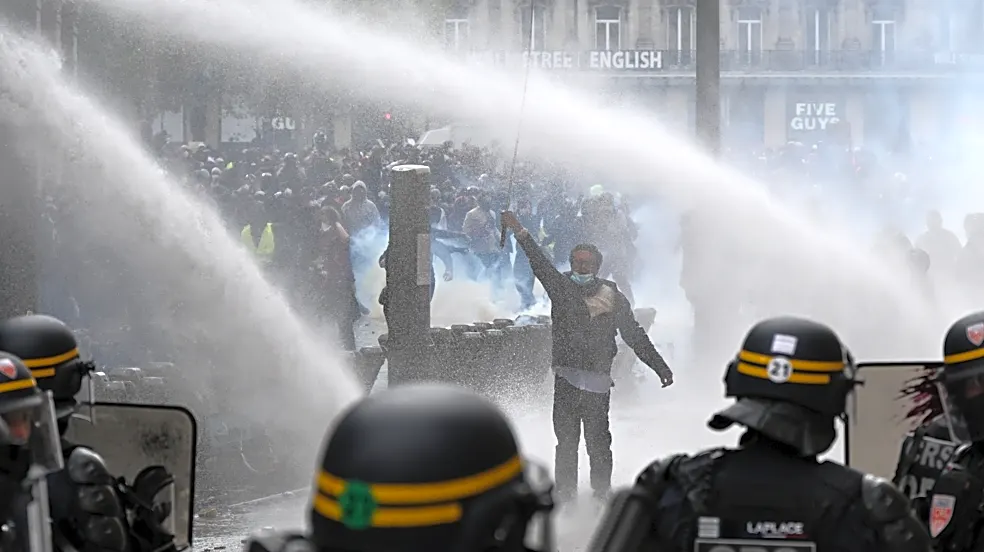
Italy has deployed an additional 500 soldiers to Milan in anticipation of renewed protests, one week after the city experienced looting and clashes with police. These soldiers will supplement the hundreds already stationed in Milan, bringing the total
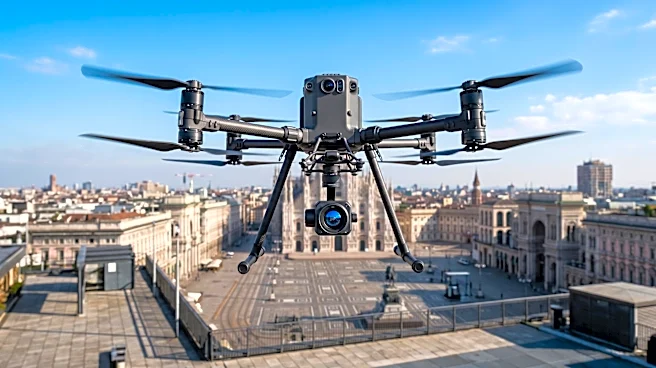
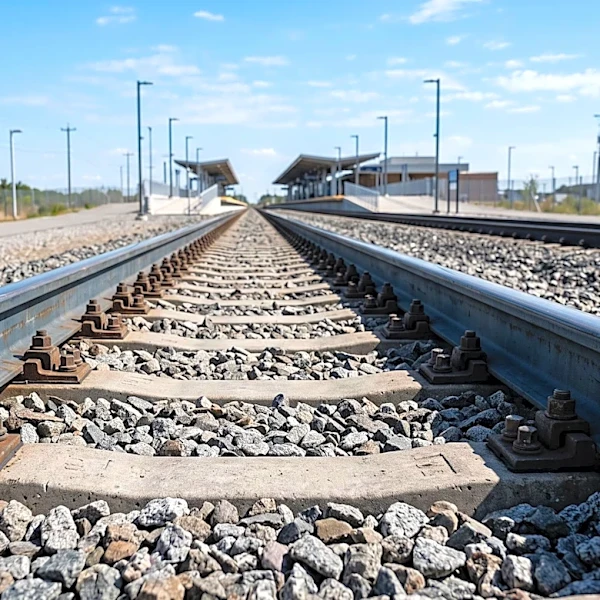
security presence to approximately 5,000 police and other law enforcement personnel. Authorities are implementing various security measures, including drone surveillance, checks at railway stations, rapid-response units, and online monitoring for potential calls to violence. Milan Mayor Giuseppe Sala has expressed concern about a repeat of last weekend's violence and supports the increased military presence. Last week's unrest saw rioters, many of whom were young, smash their way into stores, targeting sneakers, athletic wear, and sporting goods near the city's central Duomo square. Security measures are being extended beyond the city center to prevent protesters from moving into less policed areas.
Why It's Important?
The deployment of soldiers highlights a growing concern among Italian authorities regarding public order and the potential for widespread unrest. While soldiers can provide immediate reinforcements, the secretary general of the Fsp police union, Valter Mazzetti, noted that they cannot resolve police staffing shortages and that managing demonstrations requires specialized police training. Defense Minister Guido Crosetto also pointed out that troops lack key tools for public-order operations, such as pepper spray or tasers, and are only recently allowed to use plastic restraint ties in limited areas. This situation underscores a broader debate about the appropriate role of the military in domestic law enforcement and the challenges of maintaining public safety during large-scale protests. The involvement of 'naturalized, second-generation Italians' and foreign nationals among the young protesters, as reported by Milan police, also raises questions about social integration and economic inequalities, which welfare councilor Lamberto Bertolè believes contribute to a lack of belonging and future prospects among some youth.
What's Next?
Protests are scheduled to continue in Milan and other European cities, including Rome, where security has also been heightened. Authorities in Rome have locked down luxury shopping streets and increased controls around major public spaces ahead of planned demonstrations, including an anti-war march. Organizers of these protests are attempting to distance themselves from potential unrest by urging participants to keep their faces uncovered and hands visible. The effectiveness of the increased security measures in preventing further violence and looting will be closely watched. Further investigations are expected to understand the backgrounds and motives of the young people involved in the recent unrest. The ongoing protests in Italy and across Europe, driven by various social and economic grievances, suggest a period of continued vigilance and potential for further demonstrations.
Beyond the Headlines
The situation in Milan reflects a broader trend of social unrest and dissatisfaction across Europe, with protests also occurring in Albania, Spain, and Portugal over issues ranging from tuition fees and corruption to housing costs and pension reforms. The involvement of young people in these protests, particularly those from marginalized backgrounds, points to deeper societal issues such as economic inequality and a perceived lack of future prospects. The debate over the use of military personnel in civilian policing roles also raises ethical and legal questions about the militarization of domestic law enforcement and the potential impact on civil liberties. The challenges faced by European governments in managing these protests, while addressing underlying grievances, will likely shape public policy and social discourse in the coming months and years.