
What's Happening?
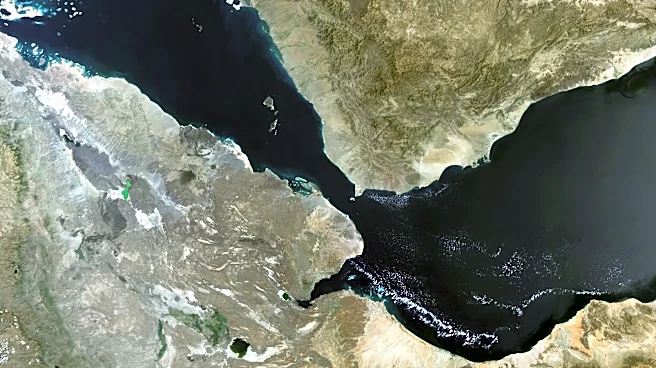
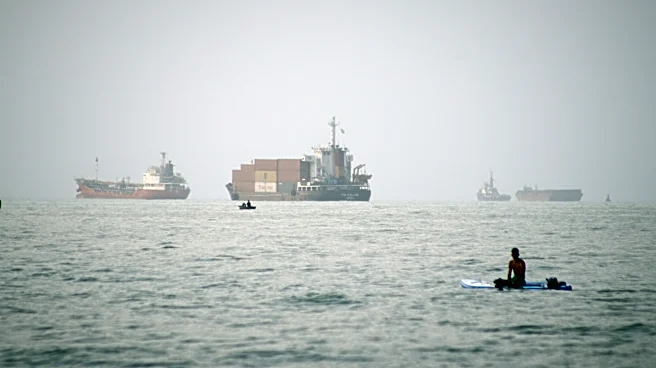
The Strait of Hormuz, a critical maritime corridor, is experiencing disruptions due to a new era of maritime warfare involving drones and missiles. Attacks on commercial vessels have raised insurance and freight
costs, forcing shipping companies to reconsider routes. The situation is part of a broader trend affecting global trade, with other chokepoints like the Red Sea and Black Sea also impacted. The use of drones in maritime warfare presents a cheaper means for smaller military forces to threaten economic lifelines, with significant implications for global trade.
Why It's Important?
The disruptions in the Strait of Hormuz highlight the vulnerabilities of global trade routes and the economic impact of maritime warfare. As a vital passage for oil and goods, any disruption can lead to increased prices and supply chain challenges worldwide. The situation underscores the need for strategic planning and risk mitigation in the shipping industry. The evolving nature of maritime warfare, with the use of drones, presents new challenges for international security and trade policies.
What's Next?
Shipping companies are exploring alternative routes and strategies to mitigate risks, including rerouting and inventory management. The geopolitical tensions surrounding maritime chokepoints may lead to further disruptions and require coordinated international responses. The situation could prompt changes in trade policies and security measures to protect vital economic corridors.