



What's Happening?
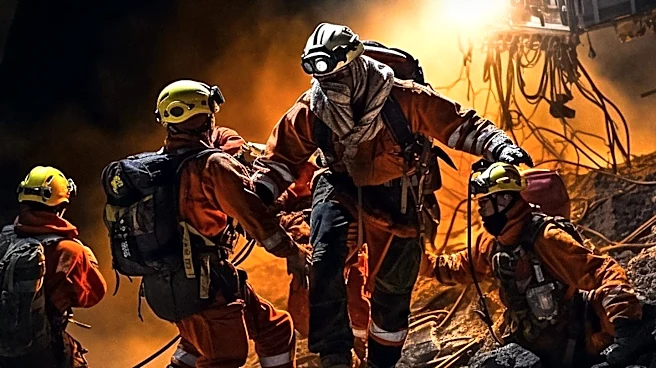
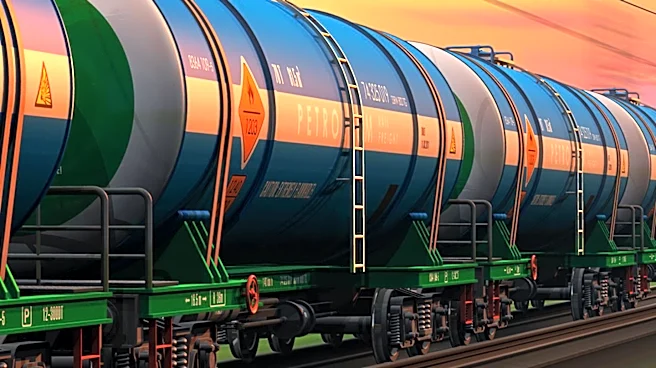
Residents in a half-mile radius of Front Street and Millard Avenue in Toledo, Ohio, were asked to evacuate as a precautionary measure following a HAZMAT incident. The Toledo Fire and Rescue Department (TFRD) received a report of a fire in a tanker in an industrial
area at 300 George Hardy Drive. HAZMAT crews were dispatched to the scene, and air quality readings are currently being monitored. The situation was described as a “hurry up and wait” as officials await the results of the air quality tests. No injuries have been reported, and TFRD crews have not yet found anything of concern. The Environmental Protection Agency (EPA) has also responded to the area. This incident is separate from an earlier explosion and fire at another industrial facility on South Avenue that resulted in two fatalities.
Why It's Important?
This incident highlights the critical importance of rapid response and precautionary measures in industrial areas, particularly when hazardous materials are involved. The evacuation order, though precautionary, underscores the potential risks associated with chemical incidents and the need to protect public health and safety. The involvement of both local fire and HAZMAT teams, alongside the EPA, demonstrates a multi-agency approach to managing potential environmental and health threats. For residents, such events can cause significant disruption and anxiety, emphasizing the need for clear communication and efficient emergency protocols. The ongoing air quality testing is crucial for determining the extent of any potential contamination and ensuring the safety of the community before residents can return to their homes.
What's Next?
Authorities are currently awaiting the results of the air quality tests to determine the safety of the area. Once these results are available, the Toledo Fire and Rescue Department will assess the situation and decide when it is safe for evacuated residents to return. The EPA's presence suggests a thorough investigation into the cause of the reported tanker fire and any potential hazardous material release. Further updates are expected as more information becomes available from the air quality assessments and on-site investigations. The focus will remain on ensuring the safety of the public and mitigating any environmental impact.
Beyond the Headlines
The incident in Toledo, while localized, points to broader challenges faced by industrial cities regarding environmental safety and emergency preparedness. The presence of industrial facilities, while vital for the economy, inherently carries risks of chemical spills, fires, and air quality issues. This event could prompt a review of existing safety protocols, emergency response times, and communication strategies for industrial accidents in Toledo and similar urban areas. It also brings to light the ongoing need for robust environmental monitoring and the swift deployment of resources to protect communities from unforeseen hazards, especially in areas with a history of industrial incidents.