






What's Happening?
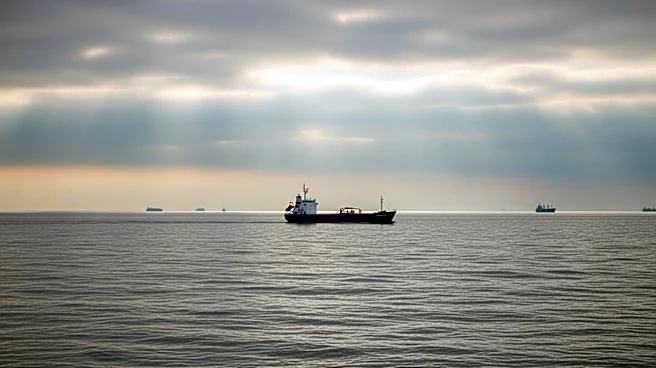
Prime Minister Keir Starmer's recent policy allowing the British military to board Russian 'shadow fleet' ships has not significantly affected the number of these vessels passing through UK waters. Despite the threat issued on March 25, data shows that
98 Russian vessels subject to UK sanctions transited British waters in the following month, a figure consistent with previous months. The ships, often with opaque ownership and involved in transporting oil, grains, and arms, have not been boarded or detained. The Kremlin has criticized the sanctions as illegal and hostile, warning of potential retaliation. The British Ministry of Defense has not commented on the lack of action, while other European countries have taken more direct measures against these vessels.
Why It's Important?
The continued passage of Russian 'shadow fleet' vessels through UK waters despite sanctions highlights challenges in enforcing maritime policies and the complexities of international relations. The situation underscores the limitations of sanctions without enforcement and the potential for diplomatic tensions. The lack of action may embolden other sanctioned entities to disregard similar threats, potentially undermining the UK's credibility in international maritime security. This development also reflects broader geopolitical tensions, particularly in the context of Russia's activities in Ukraine and the global response to them.
What's Next?
The UK may face pressure to take more decisive action to enforce its sanctions, possibly leading to increased military or diplomatic measures. The situation could prompt discussions within the UK government and among its allies about the effectiveness of current strategies and the need for coordinated international efforts. Potential retaliatory actions from Russia could further complicate the geopolitical landscape, affecting not only maritime security but also broader diplomatic relations.