





What's Happening?
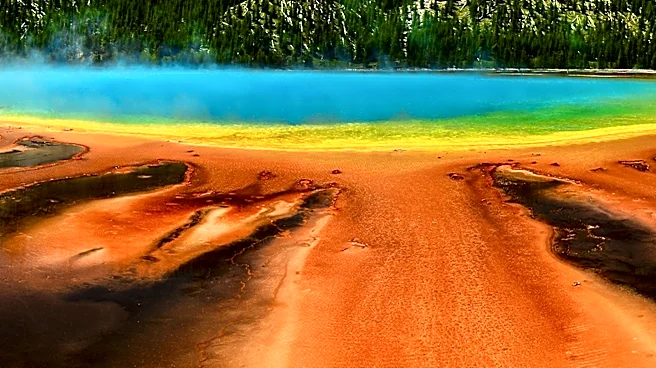
Yellowstone and Denali National Parks are highlighted as two of the deadliest national parks in the United States due to their natural hazards. Yellowstone, established in 1872, is known for its geothermal features, including scalding hot springs that
have claimed lives due to their extreme temperatures and acidity. Denali, home to North America's highest peak, poses risks from extreme altitude, which has resulted in numerous fatalities among climbers. The parks' wildlife, such as grizzly bears and moose, also present dangers to visitors. These parks, while offering breathtaking natural beauty, require visitors to exercise caution and be well-prepared for the inherent risks.
Why It's Important?
The designation of Yellowstone and Denali as some of the deadliest national parks underscores the need for increased awareness and education about the risks associated with visiting these natural areas. As popular tourist destinations, these parks attract millions of visitors annually, many of whom may be unaware of the potential dangers. The information serves as a reminder of the importance of safety measures, such as staying on designated paths, respecting wildlife, and being prepared for extreme weather conditions. It also highlights the role of park authorities in providing clear guidelines and resources to ensure visitor safety.
What's Next?
In response to the risks identified, national park authorities may enhance safety measures and educational programs to better inform visitors about potential hazards. This could include improved signage, more frequent ranger patrols, and increased availability of safety information at visitor centers. Additionally, there may be discussions about implementing stricter regulations for activities such as climbing and geothermal exploration to minimize accidents. The parks may also collaborate with local communities and tourism operators to promote safe practices and ensure that visitors have a safe and enjoyable experience.