

What's Happening?
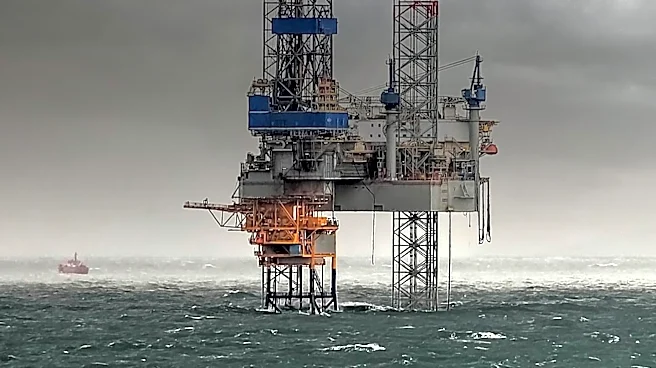
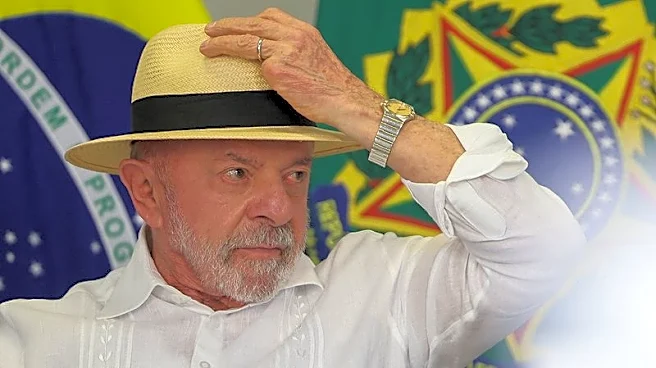
President Luiz Inácio Lula da Silva and Senate President Davi Alcolumbre (União-AP) are making their first public appearance together in months, visiting a Petrobras drillship off the coast of Amapá. This visit follows Petrobras's announcement last Friday
of finding indications of oil and gas in a well drilled in the Equatorial Margin. Alcolumbre has been a strong advocate for oil exploration studies in this region, celebrating the discovery after being informed by Petrobras CEO Magda Chambriard. He emphasized the years of effort to research the Equatorial Margin and harness its resources for the benefit of the Amapá people and Brazil's development. The joint appearance marks a reconciliation between Lula and Alcolumbre, who had been estranged since the Senate's rejection of Lula's Supreme Court nominee, Jorge Messias, in late April. The two leaders have held three private meetings recently, including one at the home of Supreme Court Justice Alexandre de Moraes and two at the Palácio da Alvorada, signaling the beginning of their renewed relationship.
Why It's Important?
The joint visit by President Lula and Senate President Alcolumbre to the Petrobras operation in the Equatorial Margin carries significant political and economic weight. Politically, it signals a crucial reconciliation between two influential figures, potentially easing tensions between the executive and legislative branches. This renewed alignment could facilitate the passage of government agendas and strengthen political stability. Economically, the discovery of oil and gas indications in the Equatorial Margin is a major development for Brazil. This region is considered a key area for Petrobras to find new reserves, especially after similar discoveries in neighboring Guyana and Suriname. Successful exploration and commercial extraction could significantly boost Brazil's oil production, enhance energy security, and generate substantial revenue, impacting the national economy, job creation, and regional development in Amapá. The collaboration between political leaders on such a critical economic project underscores its national importance.
What's Next?
Petrobras's immediate next step is to continue the drilling at the Morpho well, located approximately 175 kilometers off the Amapá coast, to fully assess the quantity of oil present. Following this, the company will determine if commercial-scale exploration is feasible. The political reconciliation between Lula and Alcolumbre is expected to continue, potentially leading to more collaborative efforts on national policies and projects. The success of the Equatorial Margin project could influence future energy policies and investment in Brazil's oil and gas sector. Stakeholders, including environmental groups, will closely monitor the project's development, particularly regarding its environmental impact and regulatory compliance. The long-term economic benefits for Amapá and Brazil will depend on the successful and sustainable development of these potential reserves.
Beyond the Headlines
The discovery of oil and gas indications in the Equatorial Margin, coupled with the political reconciliation, highlights the complex interplay between national energy policy, economic development, and political dynamics. The Equatorial Margin has been a contentious area, with environmental concerns often clashing with economic aspirations. The renewed political alignment between Lula and Alcolumbre could provide the necessary political capital to push forward with exploration, potentially overcoming previous regulatory hurdles. This situation also brings to the forefront the broader debate about Brazil's energy future – balancing the exploitation of fossil fuel reserves for economic growth with global climate change commitments and environmental protection. The long-term implications could include a shift in Brazil's geopolitical standing as a major oil producer, increased foreign investment, and significant socio-economic changes in the Amazon region, necessitating careful management of both economic opportunities and environmental responsibilities.