





What's Happening?
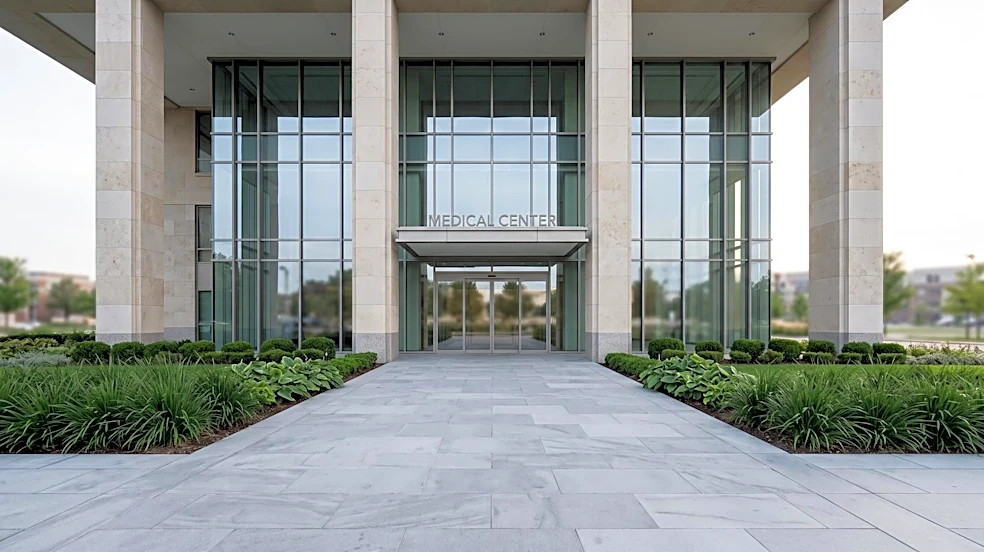
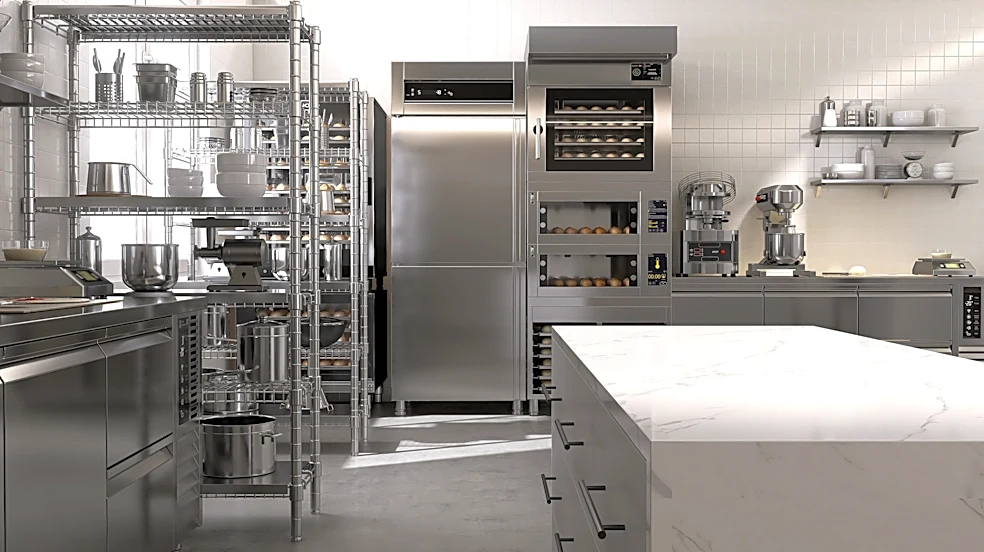
The Chicago Department of Public Health has suspended the kitchen license for the cafeteria and patient kitchen at Advocate Illinois Masonic Medical Center in Lakeview. This action follows an inspection that uncovered over 200 live cockroaches, black
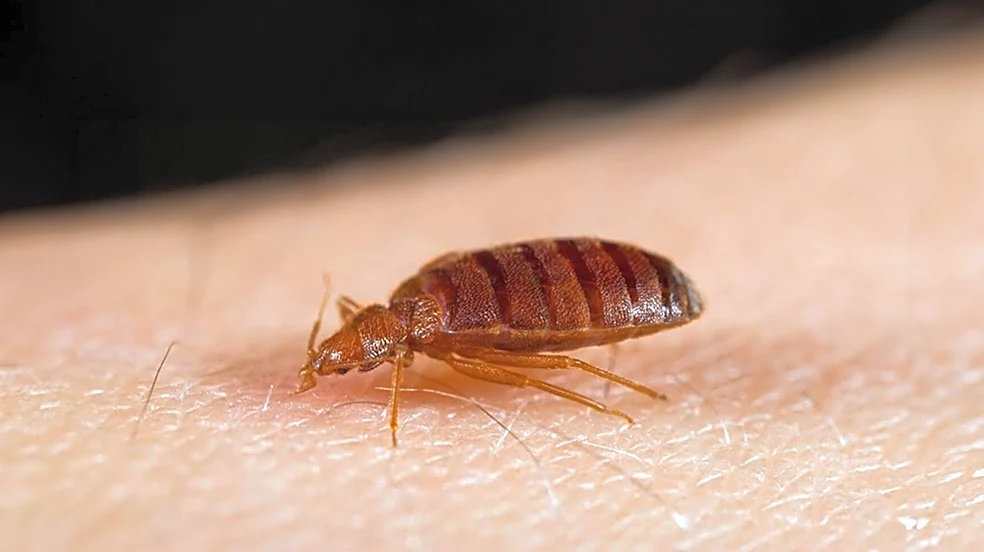
slime, and significant grease buildup, among other health violations. The live cockroaches were found in multiple areas, including the main food preparation and grill sections. Inspectors also observed a 'black slime substance' dripping onto ice cubes intended for human consumption from an ice machine. Grease accumulation was noted on cooking equipment, walls, floors, and shelves. Other issues included leaking pipes, a leaking sink, missing floor tiles, improperly stored utensils, and food debris in the prep area. This suspension comes after a previous inspection in April where the cafeteria was instructed to clean the area and remove pests, indicating a failure to address prior warnings.
Why It's Important?
The suspension of a hospital cafeteria's license due to severe health violations, particularly a cockroach infestation, is a critical public health concern. Hospitals are expected to maintain the highest standards of hygiene and food safety to protect vulnerable patients, staff, and visitors. This incident at Advocate Illinois Masonic Medical Center undermines public trust in healthcare facility sanitation and could lead to serious health risks, including foodborne illnesses. For the hospital, it signifies a significant operational failure and potential reputational damage. The need for alternative food preparation and meal service arrangements for patients highlights the immediate disruption and additional costs incurred. This event underscores the importance of rigorous and consistent health inspections and the severe consequences of non-compliance in environments where health and safety are paramount.
What's Next?
Advocate Illinois Masonic Medical Center and its contracted food service provider, Morrison Healthcare, have stated they are taking necessary steps to address the findings and meet all requirements to safely resume kitchen operations. The cafeteria can request a re-inspection once all violations have been corrected. In the interim, patients are receiving meals from an approved alternative food source, ensuring continuity of care. The hospital will likely undergo a thorough remediation process, including extensive pest control, deep cleaning, and repairs to address structural and maintenance issues. The Chicago Department of Public Health will conduct follow-up inspections to verify compliance before reinstating the kitchen license. This incident may also prompt internal reviews of food safety protocols and oversight within the hospital and by Morrison Healthcare.
Beyond the Headlines
This incident extends beyond immediate health concerns, touching upon broader issues of regulatory enforcement and corporate accountability in the healthcare sector. The fact that the suspension followed a previous warning in April suggests a systemic failure in addressing health and safety standards. It raises questions about the effectiveness of initial inspections and the hospital's internal compliance mechanisms. The reliance on contracted food service providers also brings into focus the need for stringent contractual obligations and oversight to ensure third-party vendors adhere to critical health standards. This event could lead to increased scrutiny of food safety practices in other healthcare facilities, potentially influencing regulatory bodies to implement more frequent or unannounced inspections and impose stricter penalties for non-compliance to prevent similar occurrences.