




What's Happening?
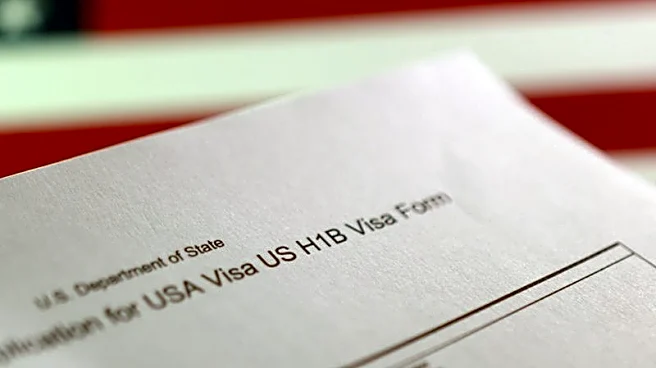
A federal judge has invalidated a $100,000 fee imposed by President Trump on H-1B visas, ruling it as an unauthorized tax. The decision came from a lawsuit filed by 20 Democratic state attorneys general, challenging the fee's legality. The administration
had argued the fee was a lawful penalty under immigration law, but the court found it to be a tax that lacked congressional authorization. The H-1B program is vital for tech companies and other industries that rely on foreign skilled workers. The ruling follows a Supreme Court decision that similarly struck down Trump's tariffs, reinforcing judicial checks on executive actions.
Why It's Important?
The ruling is a critical development for industries that depend on the H-1B visa program to fill specialized roles. It highlights the judiciary's role in maintaining checks and balances on executive power, particularly concerning immigration policies. The decision may influence future policy-making and the administration's approach to immigration reform. It also underscores the ongoing legal challenges to policies enacted during the Trump administration, which have faced scrutiny for overstepping executive authority. The outcome may impact the availability of skilled foreign workers, affecting sectors like technology and academia.
What's Next?
The Trump administration is likely to appeal the decision, potentially leading to further legal proceedings. The outcome of these appeals could have significant implications for the administration's ability to impose similar fees in the future. Stakeholders, including businesses and educational institutions, will continue to advocate for policies that support the recruitment of foreign talent. The ruling may also prompt legislative efforts to clarify the authority over immigration-related fees and taxes, influencing future immigration policy debates.