




What's Happening?
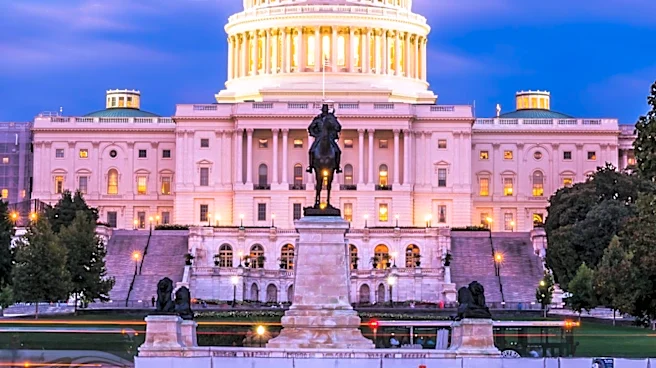
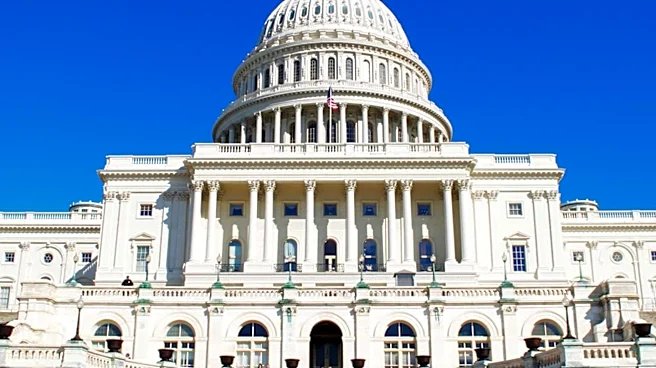
U.S. Senators Michael Bennet, Mazie Hirono, and Representative Judy Chu have introduced the Protect American Values Act, aimed at preventing federal funds from being used to implement the Trump administration's 'public charge' rule. This rule, set to take
effect on September 18, 2026, would make it more difficult for immigrants relying on certain government benefits to obtain green cards or adjust their immigration status. The legislation seeks to counter what the sponsors describe as a punitive measure against immigrants, emphasizing the rule's potential to create fear and confusion among immigrant communities.
Why It's Important?
The introduction of this legislation underscores the ongoing debate over immigration policy in the United States. The 'public charge' rule has been criticized for potentially deterring immigrants from accessing essential services, which could have broader implications for public health and economic stability. By challenging this rule, the lawmakers aim to protect immigrant communities from policies they view as discriminatory and harmful. The outcome of this legislative effort could influence future immigration policies and the political landscape, particularly in how immigrant rights are addressed at the federal level.
What's Next?
The Protect American Values Act will likely face significant debate in Congress, with potential opposition from those who support stricter immigration controls. The bill's progress will be closely watched by immigrant advocacy groups and policymakers, as it could set a precedent for how similar policies are addressed in the future. If passed, the legislation could prevent the implementation of the 'public charge' rule, thereby maintaining access to public benefits for eligible immigrants. The broader implications of this legislative effort may also impact upcoming elections, as immigration remains a key issue for many voters.