

What's Happening?
The International Energy Agency (IEA) has issued a call for governments to implement measures aimed at reducing oil demand in response to the ongoing conflict in the Middle East. The agency's recommendations include promoting remote work, reducing speed
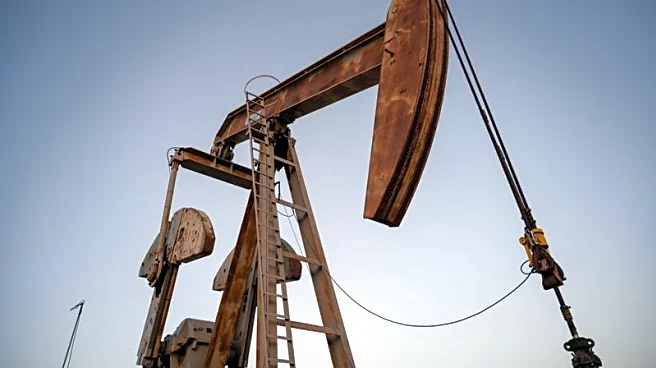
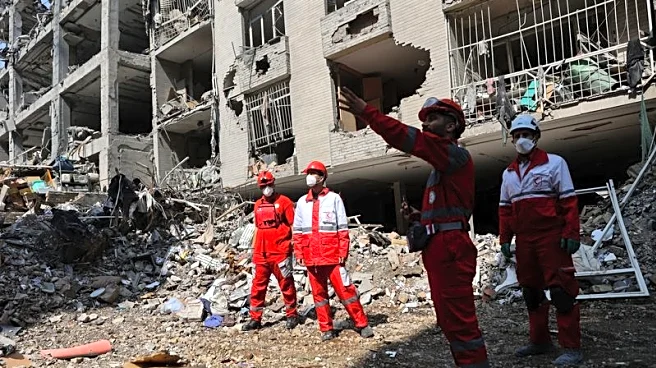
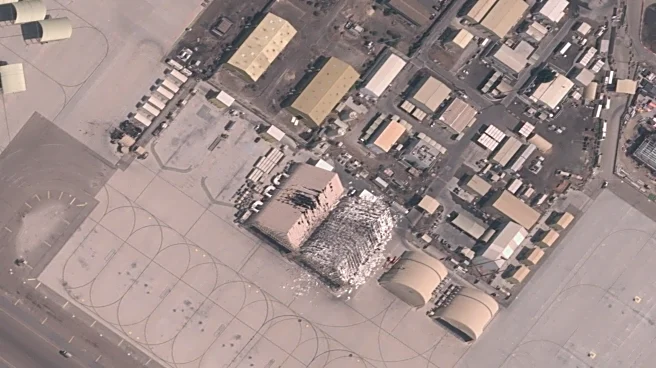
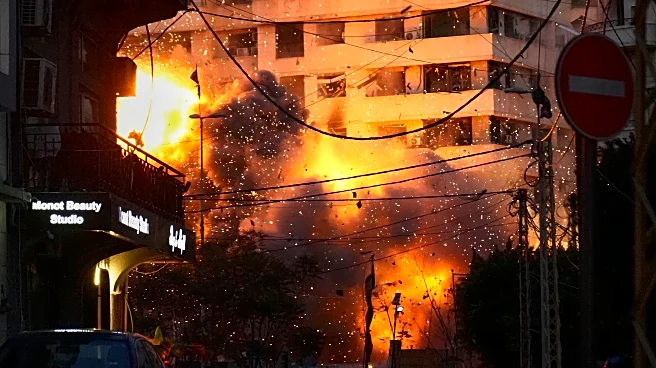
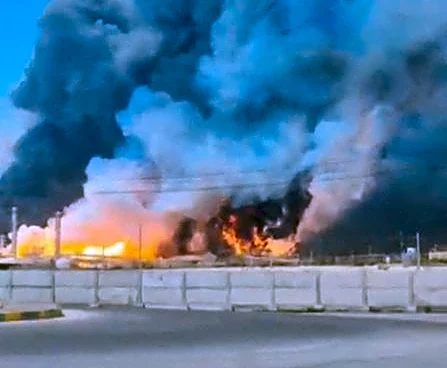
limits, and encouraging the use of public transport. This comes as oil prices have surged past $100 a barrel following military strikes by the United States and Israel against Iran, which have led to the closure of the Strait of Hormuz. The IEA's report highlights the 'dramatic' disruption to global oil supplies and the fragility of energy markets, urging swift action to mitigate the impact on economies worldwide.
Why It's Important?
The IEA's call to action underscores the vulnerability of global energy markets to geopolitical tensions, particularly in oil-rich regions like the Middle East. The surge in oil prices can have widespread economic repercussions, affecting everything from transportation costs to the price of goods and services. By advocating for reduced oil demand, the IEA aims to stabilize markets and lessen the economic shock. This situation also highlights the need for countries to diversify their energy sources and reduce reliance on oil, which could accelerate the transition to renewable energy and more sustainable practices.
What's Next?
Governments around the world may begin to implement the IEA's recommendations, potentially leading to policy changes that promote remote work and public transportation. These measures could also spark debates on energy policy and the balance between economic growth and environmental sustainability. Additionally, the ongoing conflict in the Middle East will likely continue to influence global oil markets, prompting further international diplomatic efforts to stabilize the region and secure energy supplies.