
What's Happening?
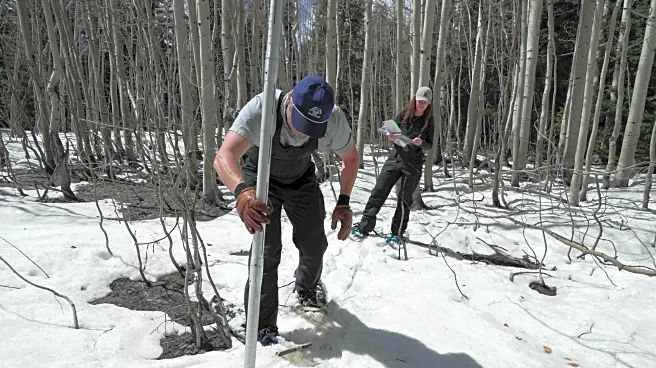
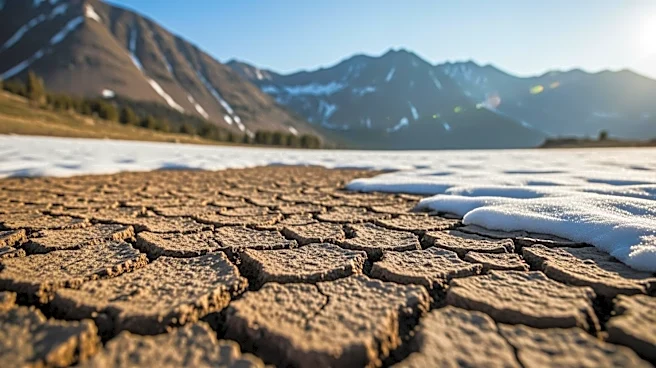
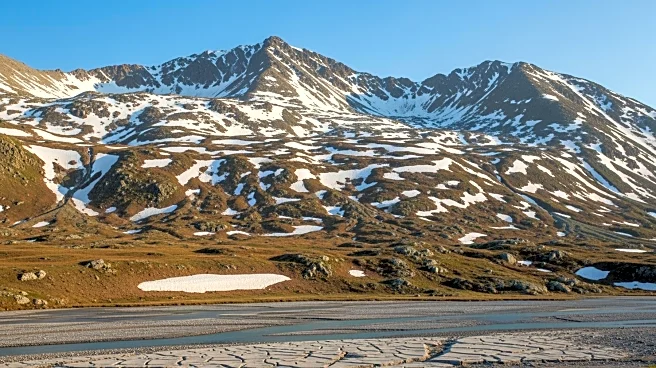
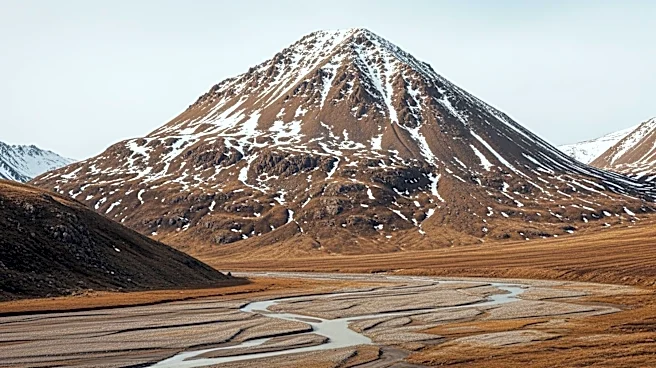
The Colorado Climate Center has reported that the state's snowpack has reached its lowest levels in recorded history. As of April 1, the water equivalent in the snowpack was just 3.1 inches, which is less than 40% of the previous record low set in 2012.
This drastic reduction is attributed to unusually high temperatures, including a record 99 degrees in Burlington on March 25. The state climatologist, Russ Schumacher, highlighted the rapid melting of snow in the last two weeks of March as a significant factor. The situation is exacerbated by a map showing extensive areas in Colorado experiencing record heat for March, with some regions recording seven consecutive days of unprecedented temperatures.
Why It's Important?
The record low snowpack in Colorado has significant implications for water resources in the region. Snowpack is a critical source of water for the state, feeding rivers and reservoirs that supply water for agriculture, municipalities, and ecosystems. The current drought conditions could lead to water shortages, impacting farmers, residents, and wildlife. Additionally, the lack of snowpack can increase the risk of wildfires as dry conditions persist. This situation underscores the broader challenges posed by climate change, as rising temperatures and altered precipitation patterns threaten water security and environmental stability in the western United States.
What's Next?
Looking ahead, the Colorado Climate Center notes that April has started with some snowfall in the mountains, and forecasts suggest a more typical spring pattern with cooler temperatures and potential storms. These conditions could help preserve the remaining snowpack. However, the long-term outlook remains uncertain, and stakeholders, including water managers and policymakers, will need to consider strategies for managing water resources amid ongoing drought conditions. The situation may prompt discussions on water conservation measures and the need for infrastructure investments to enhance water storage and distribution systems.
Beyond the Headlines
The record low snowpack in Colorado highlights the broader impacts of climate change on regional weather patterns and water resources. This development raises ethical and policy questions about how to balance water use among competing needs, such as agriculture, urban development, and environmental conservation. It also emphasizes the importance of climate adaptation strategies to mitigate the effects of extreme weather events. As communities grapple with these challenges, there may be increased pressure on state and federal governments to implement policies that address climate resilience and sustainability.